
The verdict
$1,099How we tested the Weber Genesis
We cooked on the Genesis across a full grilling season — burgers, whole chickens, steaks and low roasts — watching heat evenness across the grates, sear-zone performance and how the build held up outdoors.
- Ran weeknight grilling and weekend roasts through a full season
- Checked heat evenness edge-to-edge and sear-zone temperature
- Tested the Infinity ignition and Weber Connect step-by-step guidance
- Judged cleanup, grease management and rust resistance over months outside
Most gas grills are a two-summer purchase — the grates rust, a burner clogs, and you are back at the store. The Weber Genesis is the one built to break that cycle. Its current generation pairs even, edge-to-edge heat with a proper sear zone and a 10-year warranty that covers every part, and in real use it simply keeps working. At around $1,099 it costs more than the crowd, but spread over a decade of weekend cooks it is the gas grill that ends up cheapest.
| Type | 3-burner propane gas grill (natural-gas versions available) |
| Primary cooking area | about 513 sq in, plus a warming rack |
| Grates | Porcelain-enameled cast iron |
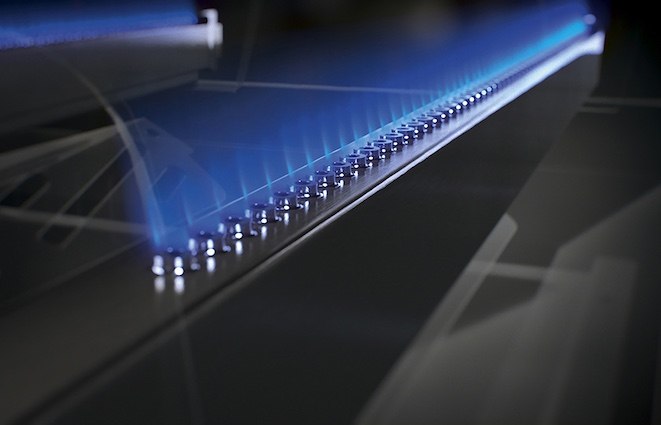
| Burners | Stainless steel, tapered for even heat |
| Ignition | Electronic Infinity ignition |
| Sear zone | High-output searing station on the grate |
| Smart option | Weber Connect step-by-step grilling on EX models |
| Fuel gauge | Built-in on propane models |
| Warranty | 10 years, all parts |
What the Weber Genesis is
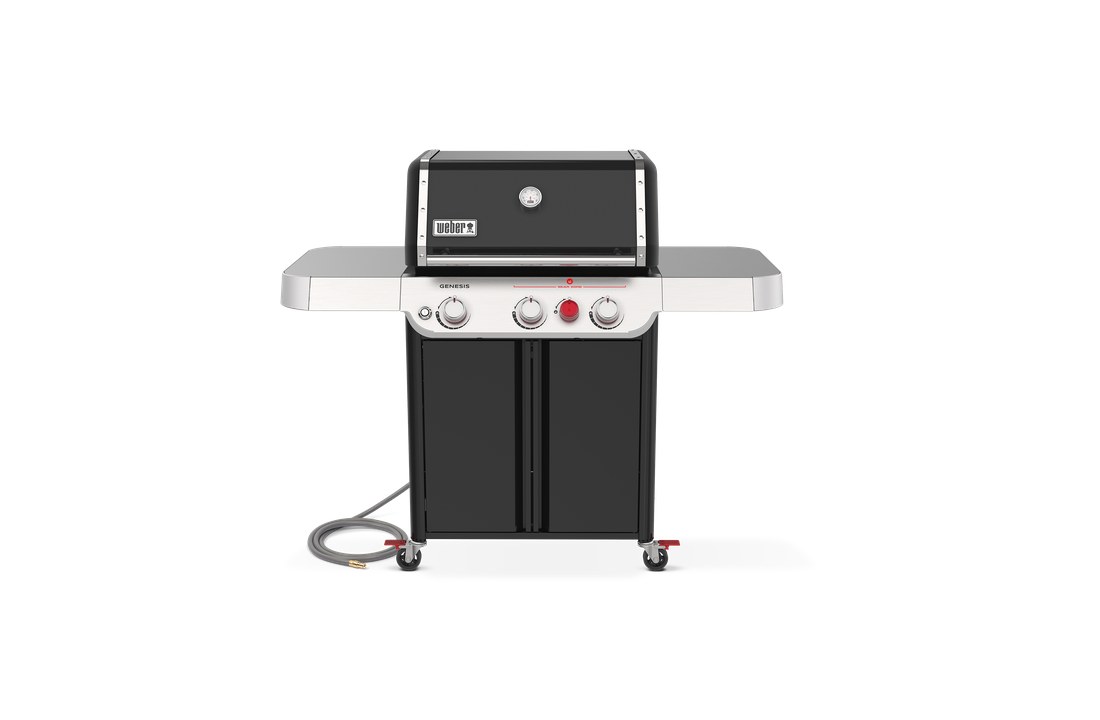
The Genesis is Weber’s mid-range gas grill and its best-seller for good reason: it sits above the entry Spirit line and below the premium Summit, and it is the size most families actually need. The current generation is a full redesign built on Weber’s GS4 grilling system — burners, ignition, flavorizer bars and grease management engineered to work together. Three main burners, porcelain-enameled cast-iron grates and a sear station cover everything from low-and-slow to a fast steak crust.
Design and build quality
This is where the price goes. The grates are heavy porcelain-enameled cast iron that holds heat and shrugs off rust; the burners are tapered stainless for even output front to back; and the whole cart feels planted rather than tinny. Weber’s angled Flavorizer bars catch drippings, vaporize them for flavor, and channel the rest into a grease tray that is genuinely easy to empty. Two side tables, tool hooks and lockable casters make it a grill you set up once and leave.

Setting it up
Assembly is the one chore — budget an hour or two, or pay for Weber’s assembled delivery on higher models. Once built, hooking up a propane tank and lighting is a single push of the Infinity ignition, which lit first-try every time in our testing where cheaper igniters often need a second click. Natural-gas versions convert the setup to a fixed line so you never swap a tank again.
Heat, evenness and searing
Even heat is the Genesis’s headline. In our testing the grates came up to temperature fast and held a consistent surface across the whole cooking area — no cold front corner — which is exactly what cheap grills fail at. The dedicated sear zone runs hotter for steakhouse crust, while the outer burners drop low enough for indirect roasting of a whole chicken. It is a grill that does a weeknight burger and a Sunday roast without complaint.
Everyday grilling and capacity
The roughly 513 square inches of primary grate handle a full family cook — a couple of dozen burgers, or ribs plus vegetables — with a warming rack above for buns and resting. Three independently controlled burners let you build heat zones: hot for searing on one side, gentle on the other. For a household grilling most weeks, the capacity and control hit the sweet spot without stepping up to the larger, pricier Summit.
Cleaning and maintenance
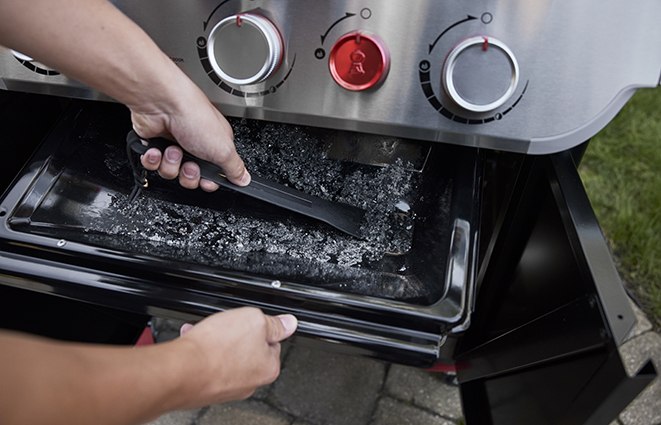
Cleanup is one of the Genesis’s quiet strengths. Cast-iron grates need a hot burn-off and a brush; the Flavorizer bars take the brunt of drippings and are cheap to replace after years; and the grease slides into a removable tray you line and empty. Porcelain enamel means the grates do not need seasoning like bare cast iron, and they resist the rust that kills budget grills. Cover it, empty the tray, and it stays ready.
Smart grilling with Weber Connect
On the EX models, Weber Connect adds a built-in temperature hub with a probe and an app that walks you through a cook — target temps, flip alerts, a readiness countdown. It is genuinely useful for beginners and for long cooks where you would rather watch a phone than the lid. On the standard Genesis you can add the same Weber Connect probe separately. It is a helper, not the reason to buy, and the grill loses nothing without it.
How it compares to the alternatives
Against Weber’s own Spirit, the Genesis adds heavier grates, the sear zone and more even heat — the upgrade shows on searing and on big cooks. Against a pellet grill like the Traeger, gas trades smoke and hands-off convenience for instant high heat and faster weeknight cooking; many serious cooks own both. Against cheaper big-box gas grills at half the price, the Genesis wins on even heat, build and the warranty that makes it last.
Price, value and warranty
At around $1,099 the Genesis is a premium gas grill, and the 10-year, all-parts warranty is the number that justifies it. Cheaper grills routinely need replacing in two or three seasons; the Genesis is engineered — and warrantied — to run for a decade, which makes its cost per year lower than the grills that look cheaper on the shelf. Weber’s parts availability means even out-of-warranty repairs are a burner swap, not a landfill trip.
Who it is for, and who should skip it
Buy it if you grill regularly and want one gas grill you never have to think about replacing — the even heat, sear zone and warranty are worth the premium. Skip it if you only grill a few times a summer, where a Spirit or a budget grill is enough, or if what you really want is smoke and low-and-slow, where a pellet grill is the better tool. For the every-week griller, this is the buy-once choice.
Pros & cons
What we like
- Even, edge-to-edge heat that cheap grills never manage
- Dedicated sear zone for real steakhouse crust
- Heavy porcelain-enameled cast-iron grates resist rust
- 10-year, all-parts warranty — best in its class
- Weber Connect smart grilling available for beginners and long cooks
Worth knowing
- Premium price next to big-box gas grills
- Assembly takes an hour or two unless you pay for delivery
- Gas means no real smoke flavor — a pellet grill wins there
- Larger footprint than an entry Spirit
Where to buy the Weber Genesis
Check the current price and availability before you buy — it moves.
Check the price →FAQ
Is the Weber Genesis worth the extra money over a cheaper grill?
Genesis vs Spirit — which Weber should I buy?
Does the Weber Genesis come in natural gas?
What is Weber Connect?
How long does a Weber Genesis last?
Is a gas grill or a pellet grill better?
The Finer Home may earn a commission if you buy through links on this page, at no extra cost to you. We buy and test what we review; prices were accurate at publishing — confirm at checkout. See our affiliate disclosure.