Tempur-Pedic ProAdapt Mattress Review
The verdict
$3,199How we tested the Tempur-Pedic ProAdapt
We slept on the ProAdapt (Medium) for two months, testing the deep TEMPUR contour, motion isolation, support across positions, and how warm the all-foam build sleeps.
- Slept on it nightly for 60 nights across back and side positions
- Judged the depth of contour and pressure relief
- Tested motion isolation with a partner getting in and out
- Checked temperature versus an innerspring and edge support
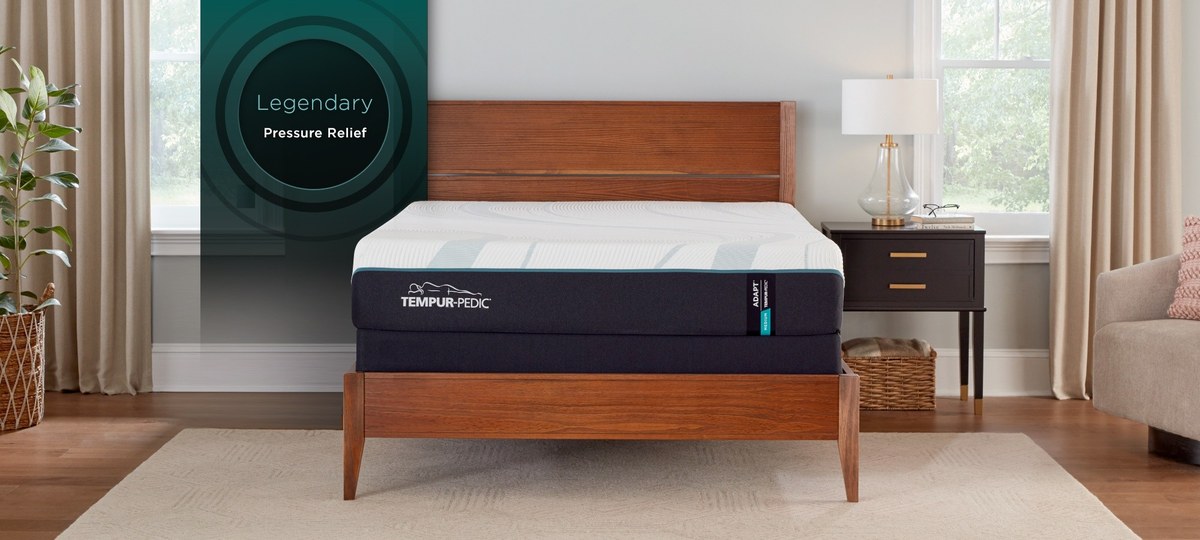
Memory foam started with Tempur-Pedic, and the ProAdapt is where the brand’s signature feel lives now. Its dense, proprietary TEMPUR material contours more deeply and responds more slowly than any copycat foam, cradling shoulders and hips and absorbing movement so completely that a restless partner barely registers. It comes in four firmnesses and a hybrid option, and it is expensive — but for someone who specifically wants that deep memory-foam hug, nothing else feels quite like it.
| Type | All-foam (medium-hybrid option available) |
| Comfort | TEMPUR-Material (about 5.3 lb/cu ft) + Advanced Relief layer |
| Firmness | Soft, Medium, Medium Hybrid, Firm |
| Profile | 12 in |
| Feel | Deep, slow-response memory-foam hug |
| Motion isolation | Best-in-class |
| Trial | 90 nights ($175 return fee) |
| Warranty | 10-year full replacement |
| Best for | Memory-foam lovers, light-sleeping couples |
What the Tempur-Pedic ProAdapt is
The ProAdapt is the mid-tier of Tempur-Pedic’s core lineup — above the entry Adapt, below the top-tier LuxeAdapt — and the model most buyers land on. It is a 12-inch mattress built around TEMPUR material, the dense, slow-recovery foam the brand invented, over a support base, with a Medium Hybrid version that swaps in coils. It comes in four feels, so the ‘ProAdapt’ is really a family tuned to different sleepers rather than a single mattress.
Construction and materials
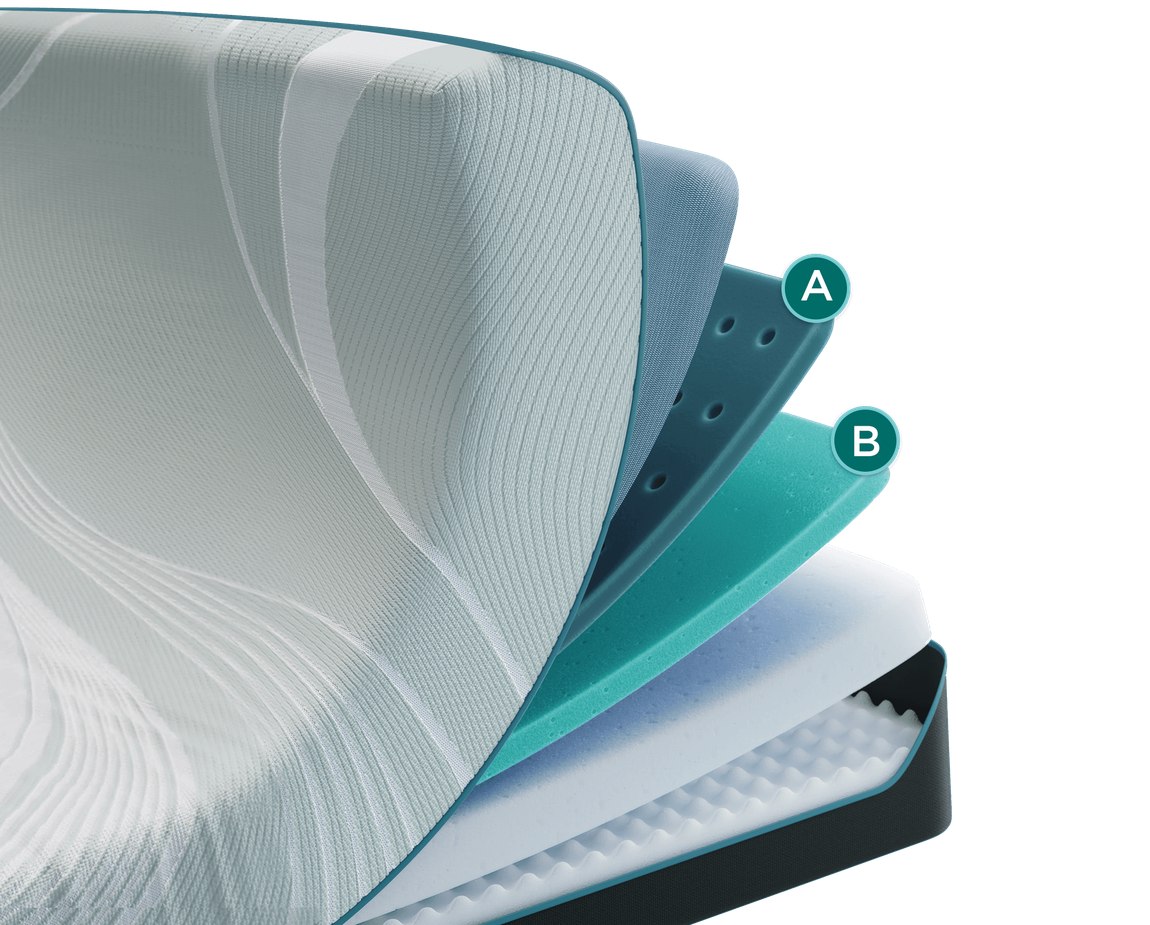
The defining layer is TEMPUR material — a proprietary viscoelastic foam that is notably denser (around 5.3 pounds per cubic foot) and more temperature-responsive than ordinary memory foam. Above the support core sits an additional Advanced Relief layer, Tempur-Pedic’s most pressure-relieving material. That density is why the ProAdapt contours so precisely and lasts so long, and it is also why it is heavy and why the all-foam versions sleep warmer than an airy innerspring.
Firmness and feel
The ProAdapt’s feel is the deep, slow, body-conforming hug that defines memory foam — you sink in and the foam moulds around you rather than pushing back. In our testing the Medium was the versatile pick, cradling without swallowing; the Soft is for dedicated side sleepers who want maximum sink, the Firm for those who want support with less give, and the Medium Hybrid adds a touch of coil bounce. If you love memory foam, this is the reference feel; if you dislike sink, it is not for you.
Support and spinal alignment
The dense TEMPUR material supports by conforming: it fills in at the lumbar curve and cradles the hips and shoulders, keeping the spine aligned as long as you pick the right firmness. In our testing pressure relief was excellent — the bed distributes weight evenly, which is why it suits people with joint or pressure-point pain. Heavier sleepers should lean firmer to avoid over-sinking; the Soft can feel unsupportive under more weight.
Motion isolation and edge support
This is the ProAdapt’s standout: motion isolation is best-in-class. The dense foam absorbs movement so thoroughly that a partner getting in, out or tossing is barely felt on the other side — the classic memory-foam advantage, taken to its peak. Edge support on the all-foam versions is only fair, as foam edges compress when you sit; the Medium Hybrid’s coils firm the perimeter up. For a light-sleeping couple, the motion isolation alone can justify the bed.
Temperature and cooling
Temperature is the honest trade-off. Dense memory foam hugs the body and traps heat, and while Tempur-Pedic engineers the cover and materials to breathe better than old memory foam, the all-foam ProAdapt still sleeps warmer than an innerspring or a grid bed. It is fine for most sleepers, but dedicated hot sleepers should consider the Medium Hybrid (the coils move air) or Tempur-Pedic’s pricier cooling models. If you sleep hot on foam, factor this in.
Trial, delivery and warranty
Here Tempur-Pedic is less generous than rivals. The ProAdapt ships compressed and expands on your frame, and it comes with a 90-night trial — the shortest among premium brands — with a $175 fee for returns. The warranty is a 10-year full replacement covering defects. Memory foam takes a few weeks to feel normal and for your body to adjust, so the short trial gives less margin; be reasonably sure the deep-hug feel is for you before buying.
How it compares to the alternatives
Against a boxed memory-foam hybrid like the Helix Midnight Luxe, the ProAdapt offers denser, deeper, longer-lasting foam and better motion isolation, at a much higher price. Against the grid-based Purple RestorePlus, it is the opposite feel — deep hug versus springy and cool. Against an innerspring like the Saatva, it trades buoyant support and cooling for contour and quiet. It is the bed to buy specifically for the TEMPUR feel.
Price and value
At around $3,199 for a queen the ProAdapt is among the priciest mainstream mattresses, and you are paying for the genuine TEMPUR material and its longevity — these beds hold their feel for many years where cheaper foam softens. The value depends entirely on how much you want that specific deep-contour feel and top-tier motion isolation. If you do, nothing else replicates it; if a good boxed hybrid would satisfy you, you can spend far less.
Who it is for, and who should skip it
Buy it if you love the deep, enveloping memory-foam hug, want the best motion isolation for a light-sleeping partner, and will pay for the real TEMPUR material and its longevity. Skip it if you sleep hot on foam, dislike the sink-in feel, want strong edge support, or want a longer trial and lower price — a boxed hybrid gives more flexibility for less. For the committed memory-foam sleeper, this is the benchmark.
Pros & cons
What we like
- Genuine dense TEMPUR material — the deepest, longest-lasting memory-foam feel
- Best-in-class motion isolation for light-sleeping couples
- Four firmnesses plus a hybrid to match different sleepers
- Excellent pressure relief for joint and pressure-point pain
- Holds its feel for many years where cheaper foam softens
Worth knowing
- Expensive — among the priciest mainstream mattresses
- All-foam versions sleep warm; hot sleepers need the hybrid
- Short 90-night trial with a $175 return fee
- Only fair edge support on the all-foam models
Where to buy the Tempur-Pedic ProAdapt
Check the current price and availability before you buy — it moves.
Check the price →FAQ
Is the Tempur-Pedic ProAdapt worth the money?
Which ProAdapt firmness should I choose?
Does the Tempur-Pedic ProAdapt sleep hot?
How good is the ProAdapt for motion isolation?
What is the Tempur-Pedic trial and warranty?
ProAdapt vs a boxed memory-foam mattress — what’s the difference?
The Finer Home may earn a commission if you buy through links on this page, at no extra cost to you. We buy and test what we review; prices were accurate at publishing — confirm at checkout. See our affiliate disclosure.