The verdict
$380
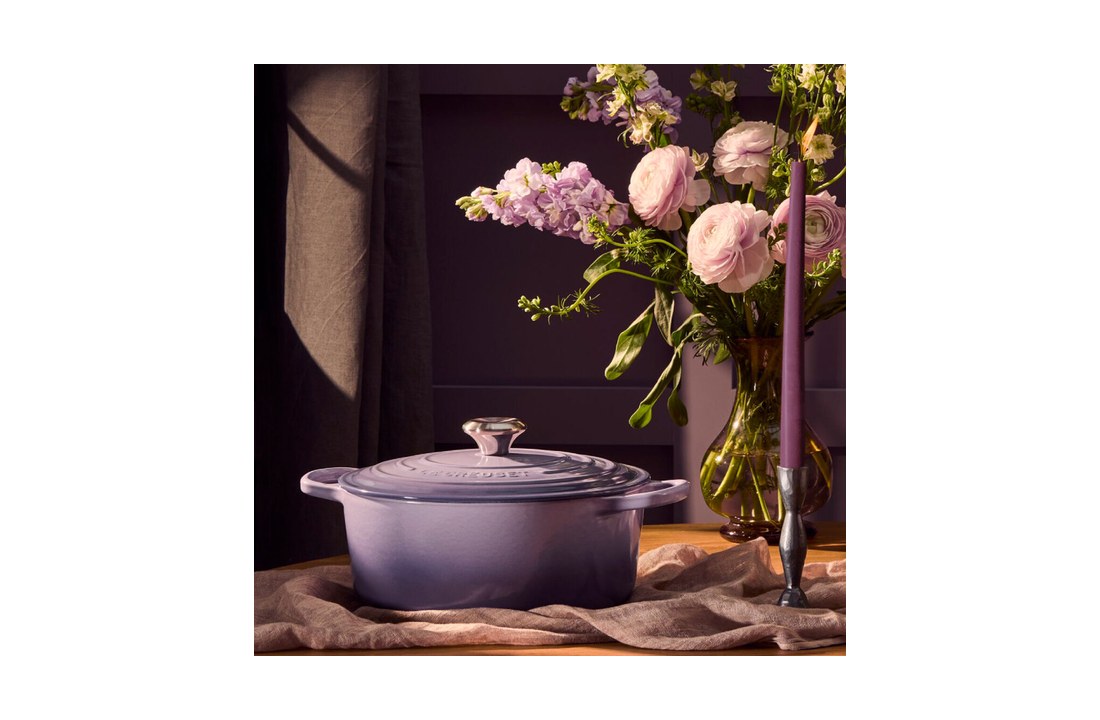
We tested five enameled cast-iron Dutch ovens side by side, and the Le Creuset is the one we would actually pass down. It is not dramatically better at any single task than a good $90 competitor — but over a decade of use, the enamel, the fit and the lifetime warranty are what separate a tool you replace from a tool you keep. For a piece of cookware you use weekly for twenty years, that distinction is the whole argument.
| Capacity | 5.5 qt (round) |
| Material | Enameled cast iron |
| Oven-safe | Up to 500°F (with knob) |
| Cooktops | All, including induction |
| Care | Dishwasher-safe; no seasoning needed |
| Made in | France |
| Warranty | Lifetime |
What the Le Creuset Dutch oven is
The Signature Round Dutch oven is a 5.5-quart enameled cast-iron pot: a heavy, lidded vessel that goes from stovetop to oven to table. It is the workhorse of braising, bread baking, stock and slow cooking, and the round 5.5-quart is the do-everything size for most households. Le Creuset has made them in France since 1925, and the shape has barely changed because it did not need to.
Design and build quality
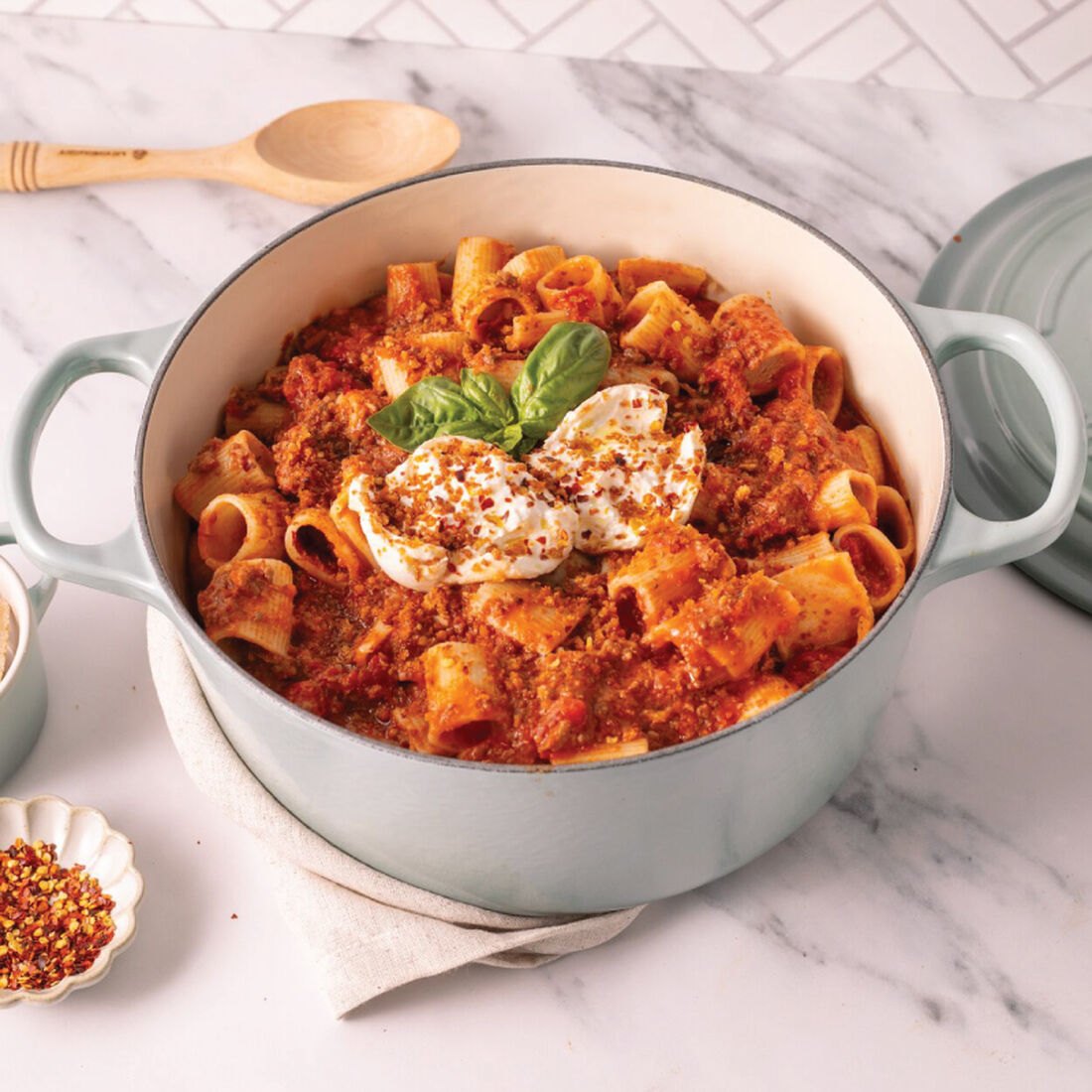
All enameled cast iron holds and spreads heat well; that is physics, not brand. What the Le Creuset premium buys is the finish. The sand-coloured interior enamel resisted staining and chipping better than every cheaper pot in our test, the lid sat flatter for a better simmer seal, and the enamel over the rim — a common failure point on budget pots — is smoother and less prone to rust. After a year of hard use, ours looks essentially new.
Braising, bread and everyday cooking
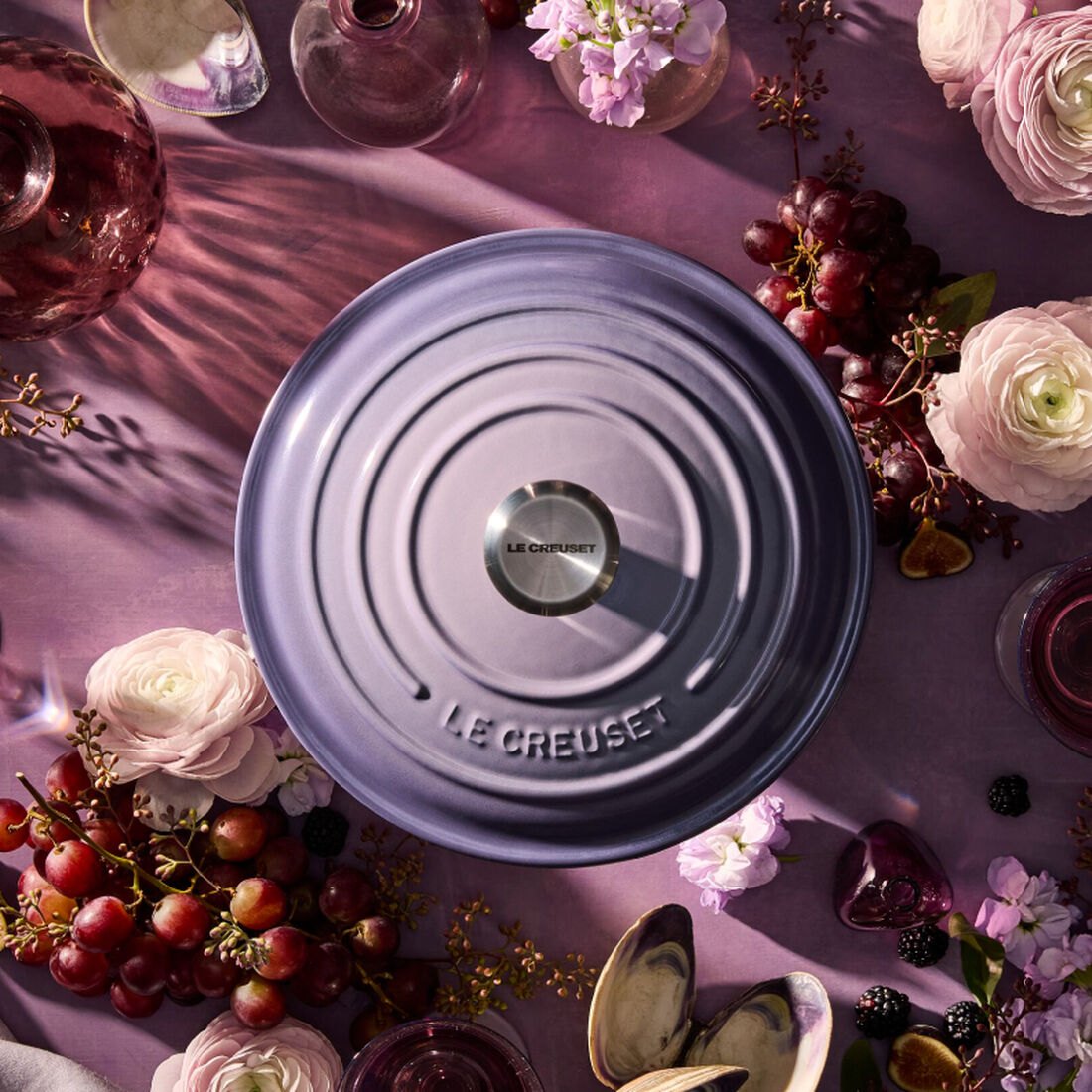
For a no-knead loaf, the 5.5-quart round is the sweet spot: preheated screaming hot, it delivers the steam and even browning that make a bakery crust. For braises, the mass holds a low oven temperature dead steady, so a short rib comes out uniformly tender rather than dry at the edges. The light interior lets you actually see fond building for a pan sauce — a small thing that matters daily.
The enamel and durability
The enamel is the reason this pot ends up in wills rather than landfills. It needs no seasoning, does not react with acidic food, and cleans up with soap and water. It is chip-resistant rather than chip-proof — drop a lid on the rim and you can still damage it — but in normal use it holds up for decades. This is where the price difference versus budget pots actually lives.
Heat performance across cooktops
Cast iron is slow to heat and slow to cool, which is exactly what you want for braising and frying: it holds a steady temperature and shrugs off the cold shock of adding food. It works on every cooktop including induction, and it is oven-safe to 500°F. The trade-off is responsiveness — it is not the pan for a quick temperature change — but for its jobs, that thermal mass is the point.
Care and maintenance
Le Creuset’s enamel is dishwasher-safe, though hand-washing keeps it looking new longer. Avoid high-heat empty preheating and metal utensils that can scratch the enamel over time. For stubborn browning, a simmer of water and baking soda lifts it without abrasives. It is genuinely low-maintenance — there is no seasoning ritual like bare cast iron.
The knob and accessories
The standard phenolic knob is oven-safe to 500°F; if you bake bread at higher temperatures, Le Creuset sells a stainless knob that swaps in with one screw. The looped side handles are sized to grip with oven mitts, which matters because a full pot is heavy. These are small details, but they are the kind of thing that separates a considered design from a generic one.
How it compares to the alternatives
If budget is tight, a Lodge or Cuisinart enameled Dutch oven will cook your food nearly as well for a third of the price, and we would not talk anyone out of one. Staub is the closest premium rival — darker interior, slightly heavier, self-basting lid spikes. The Le Creuset wins on the enamel finish, the lighter interior for monitoring browning, resale value, and the lifetime warranty.
Price, value and warranty
The case rests entirely on longevity. The lifetime warranty and the enamel that does not degrade mean that spread across fifteen or twenty years, the cost per year is trivial. Le Creuset honours manufacturing defects for the life of the owner, which is why decades-old pots are still in daily use and still command strong resale prices. Buy it once, and there is a good chance you never buy another.
Which size and colour to buy
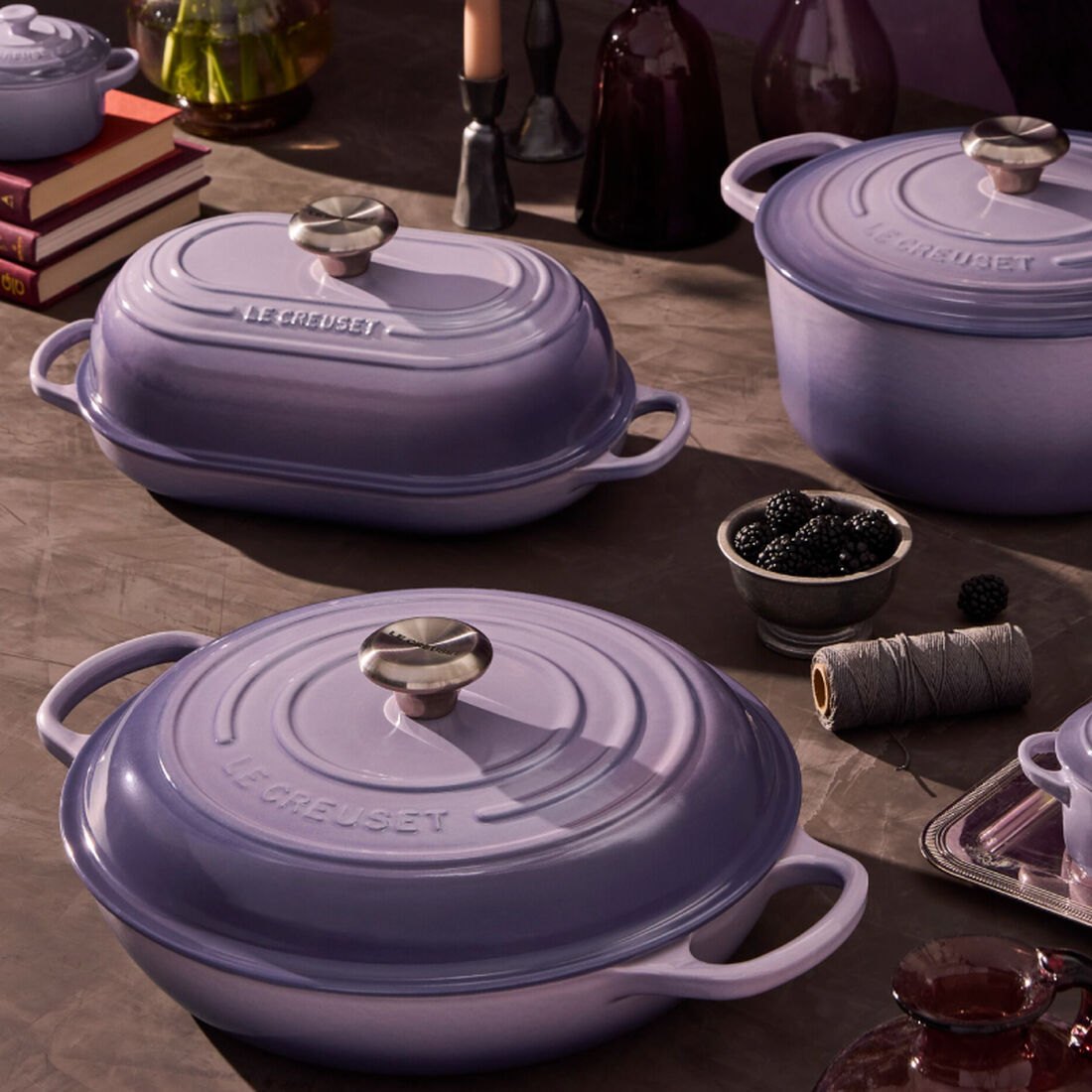
For most households the 5.5-quart round is the do-everything size — big enough for a braise or a loaf, not so big it is unwieldy. Go to 7.25 quarts only if you routinely cook for six or more. Colour is pure preference and does not affect performance; the lighter interior (standard on most) is the practical choice for watching browning. You can check current colours and pricing here.
Pros & cons
What we like
- Enamel resists staining and chipping better than cheaper pots
- Even, stable heat for braising and bread; induction-compatible
- Lifetime warranty makes it a buy-once purchase
- Light interior lets you see browning and fond
- Made in France with excellent resale value
Worth knowing
- Three to four times the price of a capable budget pot
- Heavy — a full pot is a two-handed lift
- No meaningful cooking advantage over good rivals on day one
Where to buy the Le Creuset Dutch Oven
Check the current price and availability before you buy — it moves.
FAQ
Is Le Creuset really worth the price over cheaper Dutch ovens?
What size Le Creuset Dutch oven should I buy?
Can it go from stovetop to oven?
Is Le Creuset dishwasher safe?
Le Creuset vs Staub — which is better?
Does the enamel chip easily?
The Finer Home may earn a commission if you buy through links on this page, at no extra cost to you. We buy and test what we review; prices were accurate at publishing — confirm at checkout. See our affiliate disclosure.