The verdict
$2,799How we tested the Eight Sleep Pod 4
We slept on the Pod 4 for two months as a hot sleeper and a couple — testing the cooling and heating, per-side control, sleep tracking, Autopilot, and living with the pump and subscription.
- Slept on it nightly for 60 nights across summer and cool nights
- Tested active cooling for a hot sleeper and per-side control
- Judged sleep-tracking accuracy and Autopilot adjustments
- Lived with the pump noise and weighed the subscription cost
A mattress can be cool; it cannot cool you. The Eight Sleep Pod 4 can. It is a cover that fits over your existing mattress and runs temperature-controlled water through it, cooling or heating each side of the bed independently from 55 to 110°F — so a hot sleeper and a cold sleeper can share a bed at last. It tracks your sleep, wakes you gently, and adjusts through the night. It is expensive and it needs a subscription for the smart features, but for the right sleeper it is life-changing.
| Type | Temperature-regulating mattress cover |
| Fits | Over your existing mattress |
| Range | 55–110°F, per side |
| Zones | Dual — independent left/right control |
| Sensors | Integrated sleep & heart-rate tracking |
| Autopilot | AI temperature adjustment (subscription) |
| Extras | Vibration & thermal alarm, quieter Pod 4 pump |
| Subscription | Autopilot about $199/year |
| Note | Now the entry model below the Pod 5 |
What the Eight Sleep Pod 4 is
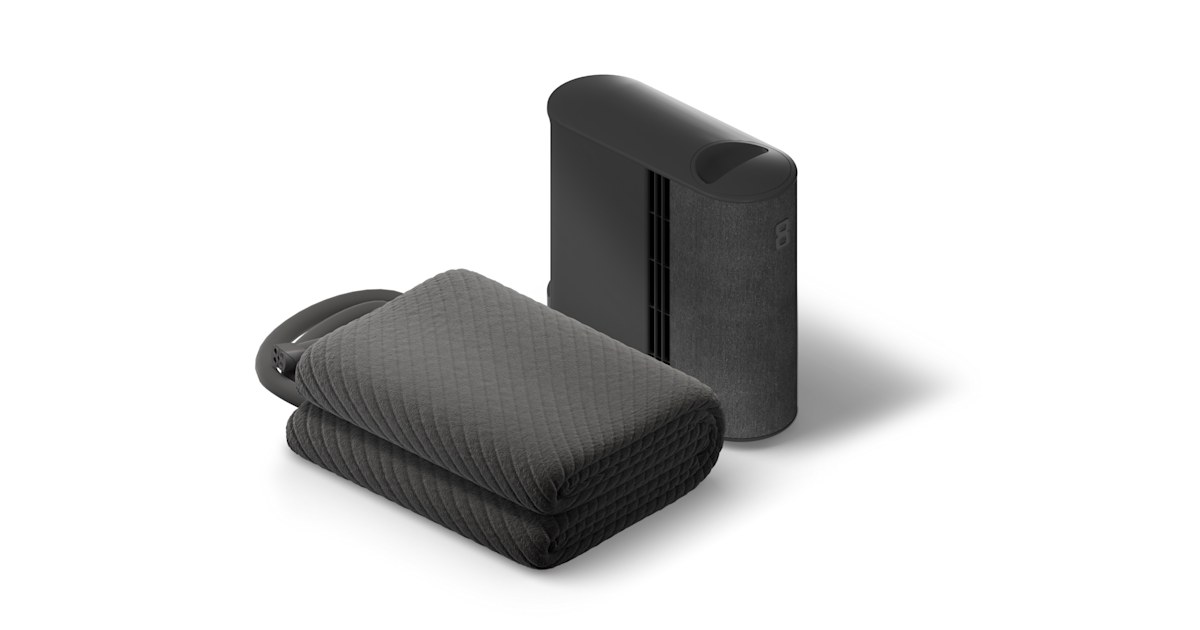
The Pod 4 is not a mattress — it is a smart cover that fits over the mattress you already own, plus a bedside Hub that pumps temperature-controlled water through a grid of tubes in the cover. It cools or heats each side of the bed independently, tracks your sleep through built-in sensors, and can wake you with vibration and warmth. The Pod 4 is now the entry model in Eight Sleep’s line, sitting below the newer Pod 5, and it is the one most people start with.
How it works and the temperature range
The magic is active thermal regulation. Water heated or cooled by the Hub circulates through the cover, holding each side of the bed anywhere from 55 to 110°F. In our testing the cooling was the standout — it pulls heat away from your body in a way no passive cooling mattress can, keeping a hot sleeper genuinely cool through the night. The heating is just as useful in winter. Because the two sides are independent, a couple who never agree on temperature finally can.
Sleep tracking and Autopilot
The cover’s sensors track heart rate, heart-rate variability, breathing and sleep stages without a wearable, feeding a nightly sleep-fitness score in the app. The paid Autopilot feature then adjusts the temperature automatically through the night based on your live data — cooling for deep sleep, warming toward morning. In our testing the tracking was reasonably accurate for a no-wearable system, and Autopilot’s hands-off adjustments were the feature that made the biggest difference to sleep quality.
Setup and everyday use
Setup takes 30–45 minutes: fit the cover onto the mattress like a fitted sheet, place the Hub beside the bed, fill it with water, and connect the app. Day to day it is invisible — you sleep on it like a normal (slightly firmer-topped) bed, set your schedule or let Autopilot run, and the thermal alarm wakes you gently. The Pod 4’s pump is quieter than earlier generations, though it is not silent; most people stop noticing it within a night or two.
The cooling that hot sleepers need
For a genuinely hot sleeper, this is the reason to buy it. Passive ‘cooling’ mattresses only slow heat build-up; the Pod actively removes heat, so you can set a cold surface and it stays cold all night. In our testing it kept a hot sleeper comfortable through summer nights that would soak an ordinary bed, and warmed a cold sleeper’s side without touching the partner’s. No mattress, grid or innerspring solves the temperature problem the way active regulation does.
The subscription question
The honest catch: the hardware works on manual schedules without paying, but the smart features — Autopilot, detailed sleep insights, long-term trends — require an ongoing subscription (around $199 a year). That recurring cost on top of a high sticker price is the single biggest knock against the Pod, and you should factor it into the true cost. If you only want manual cooling and heating, you can skip it; if you want the AI adjustments that make the Pod special, you are paying yearly.
Living with it day to day
Once it is running, the Pod fades into the background in the best way: the bed is simply the right temperature every night, the wake-up is gentle, and the morning sleep report is there if you want it. Maintenance is minimal — occasionally topping up and treating the water. For a couple with a temperature mismatch or a chronic hot sleeper, it removes a nightly source of poor sleep, which is exactly the kind of problem worth throwing technology at.
How it compares to the alternatives
Against a cooling mattress like the Purple RestorePlus, the Pod is a different category — active temperature control versus passive breathability — and it wins decisively on actual cooling, at a much higher, recurring cost. Against the newer Pod 5, the Pod 4 gives up some cooling power and refinement for a lower price. Against a simple bed fan or cooling topper, there is no contest on performance, but those cost a fraction. The Pod’s niche is serious, per-side thermal control.
Price, value and subscription
At around $2,799 plus roughly $199 a year for Autopilot, the Pod 4 is one of the most expensive ways to improve sleep — and for the wrong person it is overkill. But for a chronic hot sleeper or a temperature-mismatched couple, solving a nightly sleep problem that nothing else fixes can be worth almost any price. Value here is entirely personal: if the temperature problem is real and persistent, the Pod is the only thing that truly solves it. If it is not, spend far less.
Who it is for, and who should skip it
Buy it if you are a genuinely hot sleeper, or half of a couple who never agree on temperature, and you will pay a premium plus a subscription to sleep cool and controlled every night. Skip it if temperature is not your main sleep problem, if the recurring subscription is a dealbreaker, or if a cooling topper or bed fan would do — they cost a fraction. For the right sleeper, though, nothing else comes close.
Pros & cons
What we like
- Actively cools and heats — solves the problem no mattress can
- Independent left/right control for mismatched couples
- No-wearable sleep tracking and gentle thermal wake-up
- Quieter pump than earlier Pod generations
- Genuinely transformative for chronic hot sleepers
Worth knowing
- Very expensive, and it is only a cover over your own mattress
- Smart features (Autopilot) need an ongoing subscription
- Pump is quieter but not silent
- Overkill if temperature is not your main sleep issue
Where to buy the Eight Sleep Pod 4
Check the current price and availability before you buy — it moves.
Check the price →FAQ
Is the Eight Sleep Pod 4 worth it?
Does the Eight Sleep Pod require a subscription?
Is the Eight Sleep Pod a mattress?
How cold does the Eight Sleep Pod get?
Pod 4 vs Pod 5 — which should I buy?
Can the Eight Sleep Pod cool each side separately?
The Finer Home may earn a commission if you buy through links on this page, at no extra cost to you. We buy and test what we review; prices were accurate at publishing — confirm at checkout. See our affiliate disclosure.