Our top picks at a glance
- Best stainless set: All-Clad D3
- Best cast-iron centerpiece: Le Creuset Dutch Oven
How we chose this cookware
We cooked on each piece for years of ordinary dinners, judging heat evenness, searing, cleanup and durability — the things that decide whether cookware is worth buying once or replacing every few years.
- Cooked daily on each piece over years, not a test week
- Judged heat evenness, browning and searing
- Tested cleanup and how the surfaces held up
- Weighed price against real, decade-long durability
Good cookware is a buy-it-once decision, and after years of daily cooking two pieces stand above the rest — a stainless set that will outlast your kitchen and a cast-iron centerpiece you will hand down. Here is what actually earns the counter space, and how to think about building a set that lasts.
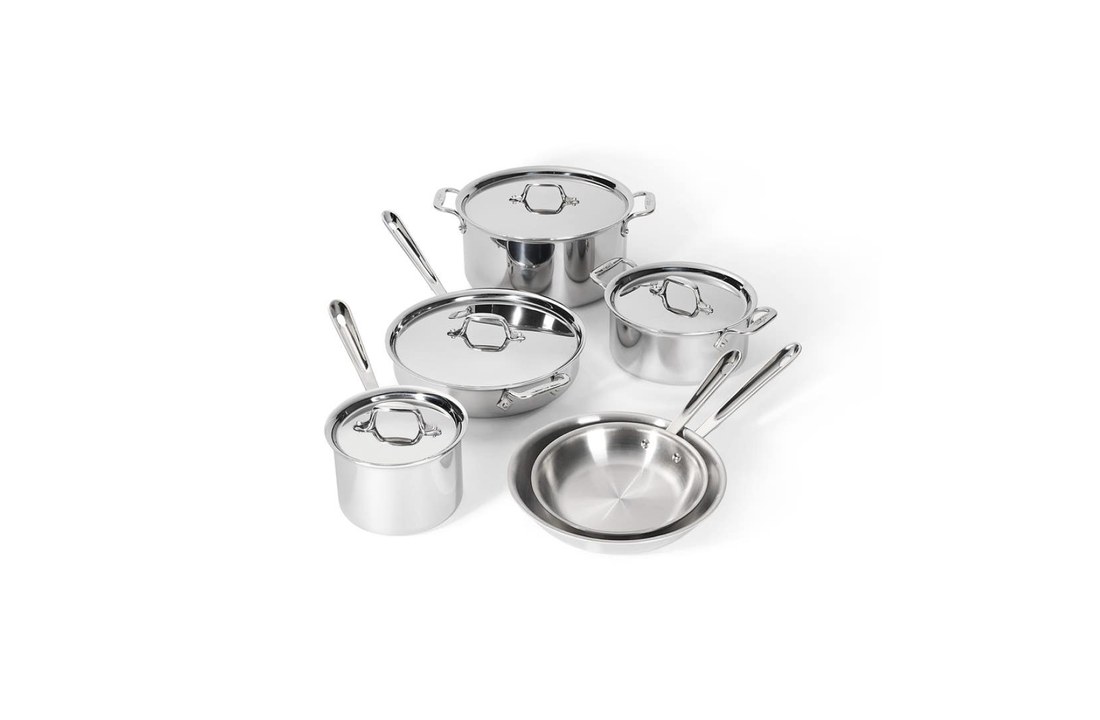
All-Clad D3
Tri-ply stainless that heats evenly, sears beautifully and lasts a lifetime of daily use.
- Even heating with no hot spots
- Oven- and dishwasher-safe, effectively indestructible
- Sears and browns like professional cookware
- Expensive upfront
- Stainless has a small learning curve
- Heavier than nonstick
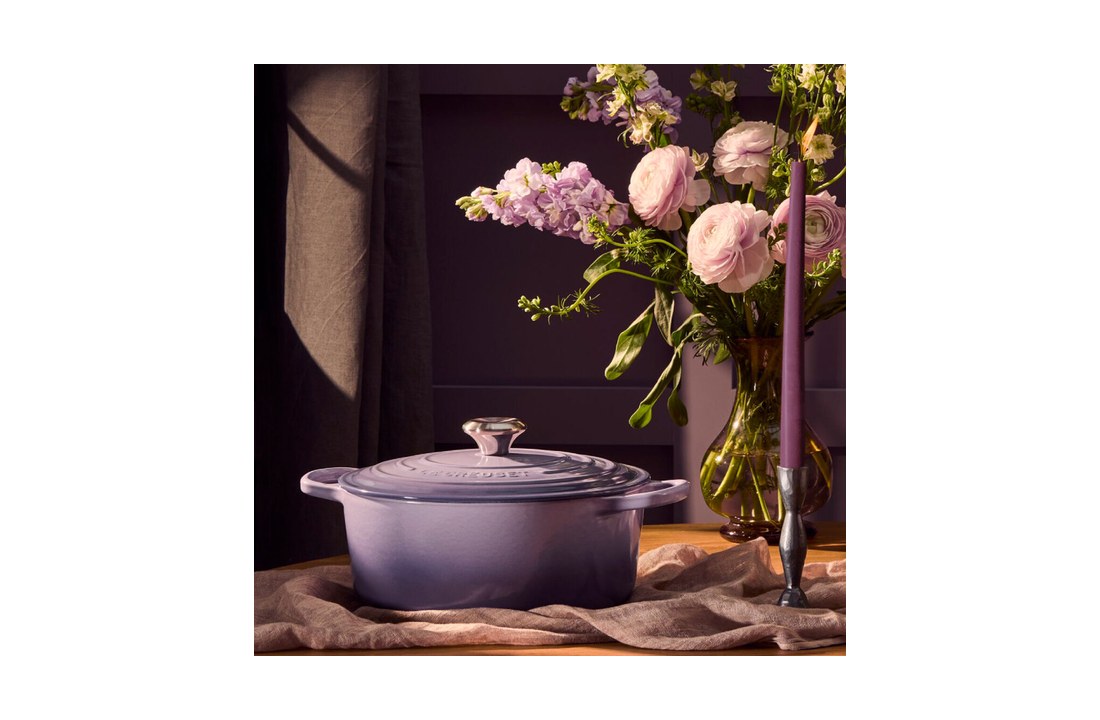
Le Creuset Dutch Oven
An enameled cast-iron pot that does braises, breads and soups and lasts generations.
- Superb heat retention for braises and bread
- Enamel needs no seasoning, easy to clean
- Lasts generations — a true buy-once piece
- Heavy
- Premium price
- Enamel can chip if mistreated
What to look for
Stainless, cast iron or nonstick?
Each has a job. Tri-ply stainless like the All-Clad D3 is the versatile everyday workhorse that sears and lasts forever. Enameled cast iron like Le Creuset owns braises, soups and bread. Nonstick is convenient for eggs but wears out and should be treated as a consumable, not an heirloom. A good kitchen mixes the first two and keeps one cheap nonstick pan.
Why tri-ply construction matters
Cheap pans have a thin base that creates hot spots and warps. Tri-ply (or fully clad) cookware bonds stainless around an aluminum core through the whole pan, so heat spreads evenly and food browns properly. It is the single biggest quality difference, and the main reason All-Clad costs what it does.
Buy a set or build piece by piece?
You rarely need every pan in a boxed set. Most cooks are better served buying the pieces they actually use — a 10-inch fry pan, a saucepan, a stockpot and one Dutch oven — in the best quality they can afford. Building slowly around a few great pieces beats a big set of mediocre ones.
FAQ
What is the best cookware to buy once?
Do I need a whole cookware set?
Is enameled cast iron worth it?
Is stainless steel hard to cook with?
What about nonstick?
Is All-Clad worth the price?
The Finer Home may earn a commission if you buy through links on this page, at no extra cost to you. We buy and test what we review; prices were accurate at publishing — confirm at checkout. See our affiliate disclosure.