The verdict
$199How we tested the Baratza Encore ESP
We ground on the Encore ESP every day for six weeks — espresso in the morning, pour-over on weekends — dialing in fresh bags on a Barista Express and comparing shots against a pricier single-dose grinder.
- Pulled espresso daily and dialed in multiple bean bags to a 25–30 second shot
- Ground for pour-over and French press to judge everyday filter consistency
- Compared retention and dial-in against a $400+ single-dose grinder
- Brush-cleaned the burrs to see how upkeep really goes
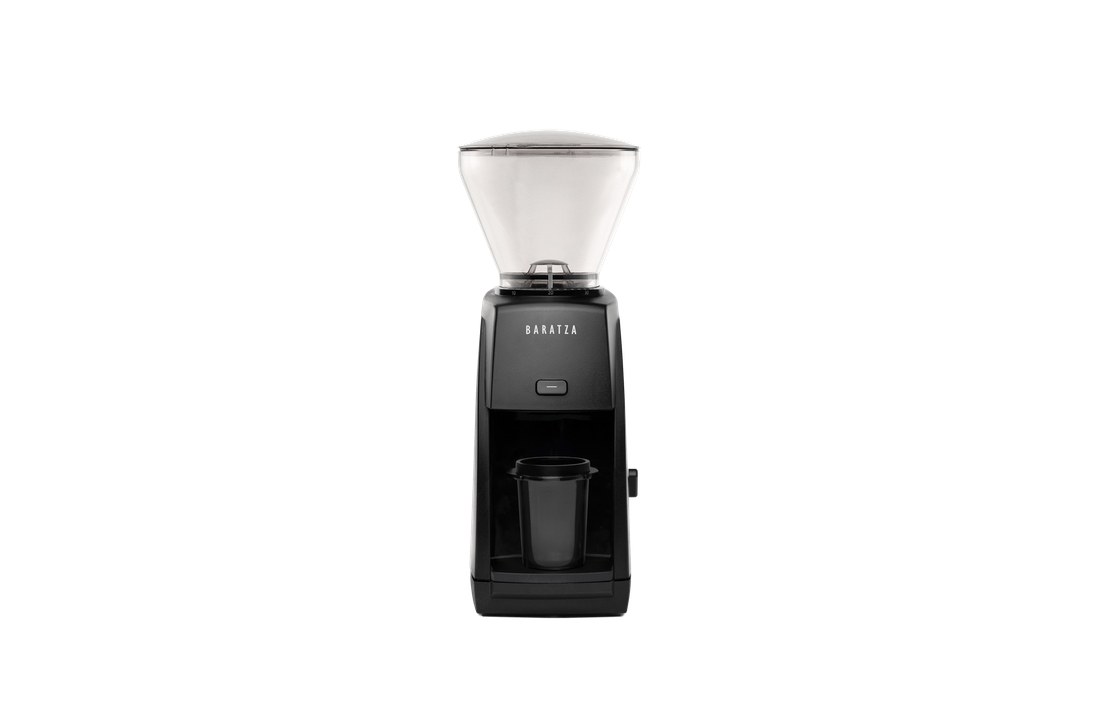
For a decade the Baratza Encore was the grinder people bought first — and then hit a wall the moment they moved to espresso, because it could not grind fine enough. The Encore ESP fixes exactly that. New burrs and a re-scaled adjustment push the range down into true espresso territory while keeping everything that made the original the default recommendation: low-RPM burrs, easy maintenance, and a price that leaves money for the machine. At $199 it is the grinder we now pair with an entry espresso setup without hesitation.
| Type | Conical burr grinder, espresso-capable |
| Burrs | 40 mm hardened-steel conical (M2 ESP set) |
| Grind settings | 40 stepped, with a finer espresso low-end |
| Motor | DC gear-reduction, low-RPM (cool, low static) |
| Hopper | 8 oz (about 225 g) |
| Dosing | Front pulse switch + 54 mm anti-static dosing cup (58 mm adapter) |
| Dimensions | 4.7 × 6.3 × 13.8 in |
| Weight | about 7 lb |
| Warranty | 1 year |
What the Baratza Encore ESP is
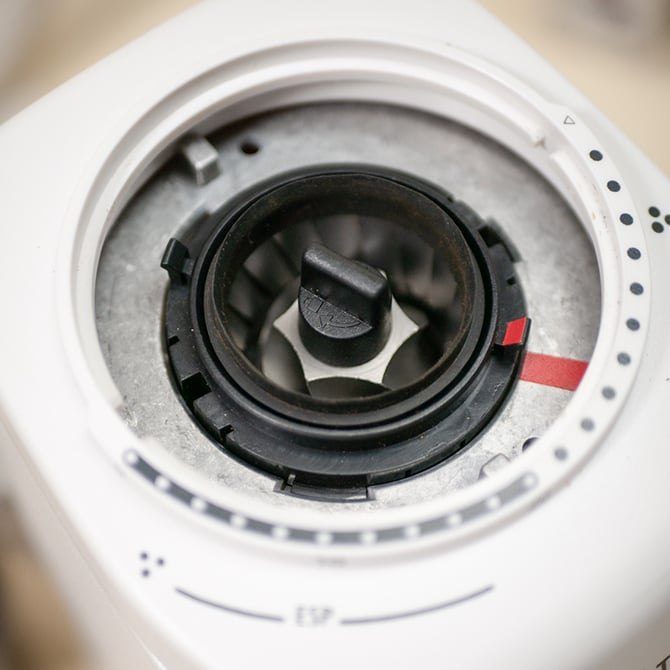
The Encore ESP is a 40mm conical burr grinder built to span pour-over through espresso. It is a redesign of the classic Encore: same low-RPM DC motor and simple stepped adjustment, but with a new burr set and a grind range re-scaled so the fine end actually reaches espresso. It ships with a 54mm anti-static dosing cup and a 58mm adapter, which tells you exactly who Baratza built it for — people pairing it with a first espresso machine.
Design and build quality
It looks almost identical to the original Encore: a compact plastic body, a small bean hopper up top, and a numbered ring collar you twist to change grind size. That plastic keeps the price down, and while it does not feel like a $500 grinder, nothing about it feels fragile either. The low-RPM burrs run cool and generate little static, so the grounds clump and cling less than on cheap high-speed grinders. It is a grinder you can actually service — Baratza sells the parts and posts the repair videos.
Setting it up
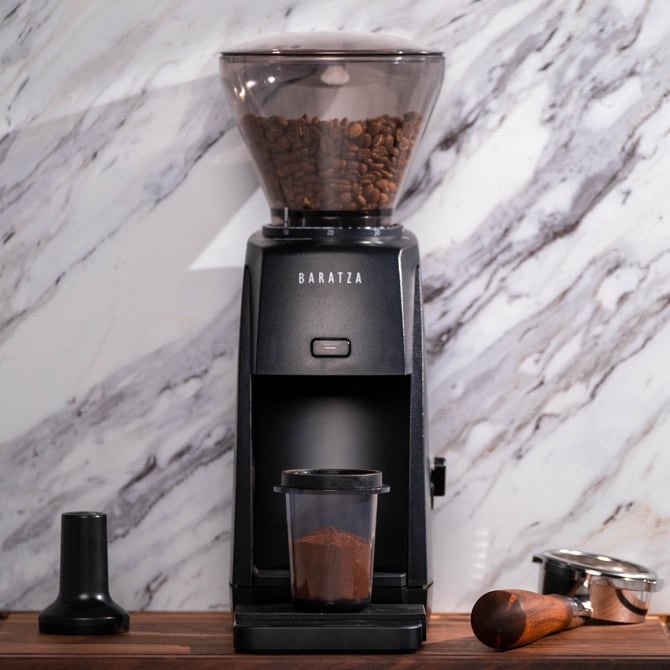
Setup is a five-minute job: seat the hopper, twist to lock, run a few grams through to season the new burrs, and you are grinding. The included 54mm anti-static dosing cup catches the grounds cleanly and tames the static that plagues cheap grinders; a 58mm adapter covers larger portafilters. There is no scale and no timer, so dosing is by feel or by weighing on a separate scale, which is the honest limitation at this price.
Grinding for espresso
This is the whole reason the ESP exists, and it delivers. In our testing the range from about setting 1 to 10 covered espresso, with the sweet spot for most medium roasts landing in the low single digits. Dialing in a new bag took a few shots — the adjustment is stepped, not stepless, so you occasionally wish for a click between two numbers — but it reached a proper 25–30 second pull on a Barista Express without the choking or gushing you get from a grinder that cannot go fine enough. For a first espresso grinder, that is the bar, and it clears it.
Grinding for pour-over and drip
The ESP keeps the original Encore’s whole reason for fame: it is a genuinely good everyday grinder for filter coffee. The upper half of the range covers pour-over, drip and French press cleanly, with the consistent particle size that makes brewed coffee taste even rather than muddy. If you switch between an espresso machine in the morning and a Chemex on the weekend, one grinder covers both — you just twist the collar.
Cleaning and maintenance
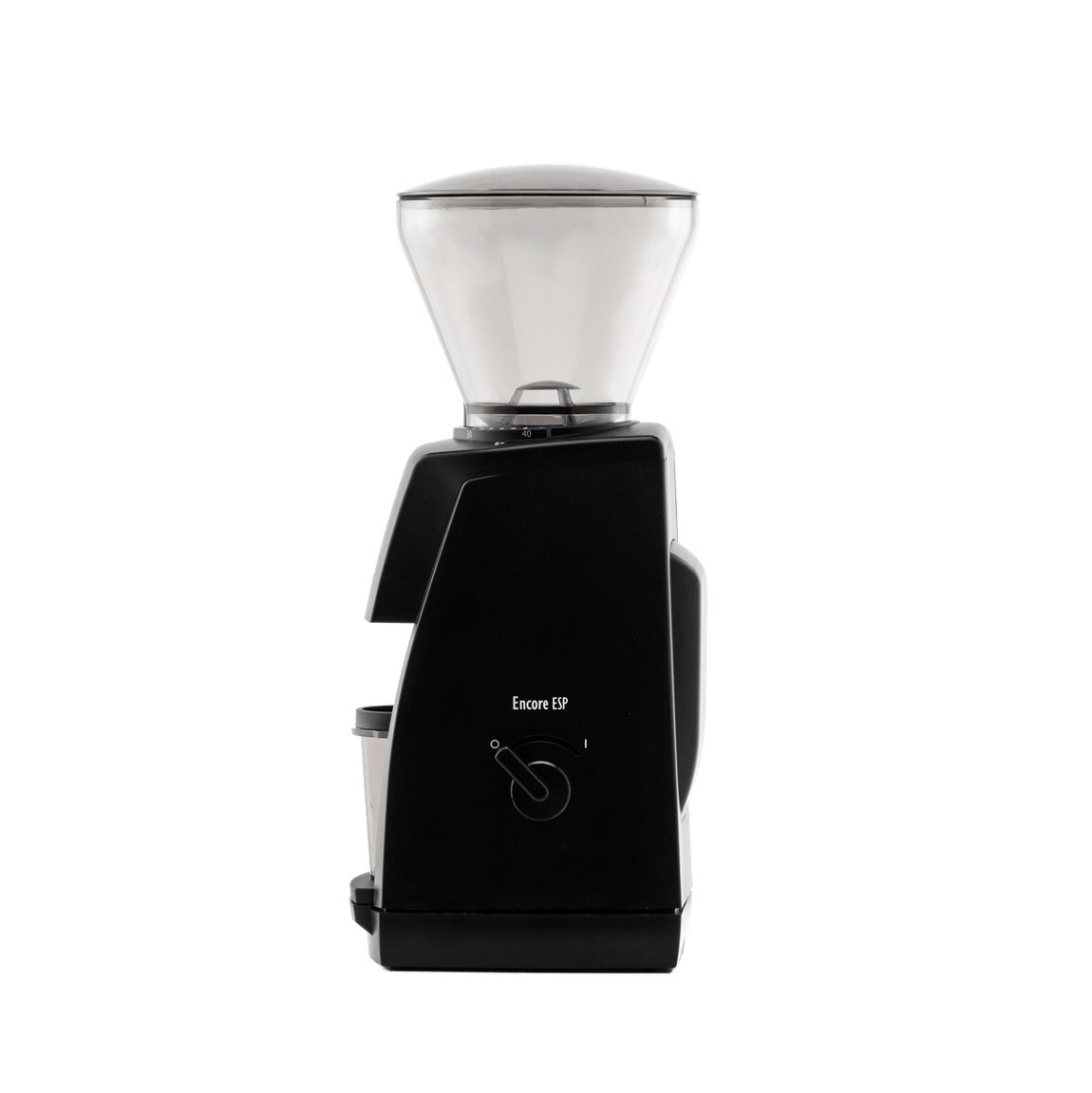
Maintenance is where Baratza earns its reputation. The burrs pop out for a brush-clean in seconds, and the whole grinder is designed to be opened, cleaned and re-parted rather than thrown away. Coffee oils and fines build up over months; a periodic brush-out keeps the grind consistent. Because the motor runs slow and cool, there is less heat baking oils onto the burrs than on budget blade or high-speed grinders.
Living with it day to day
Day to day it is quiet by grinder standards, quick enough for one or two drinks, and small enough to leave beside the machine. Retention — grounds left inside between doses — is low but not zero, so single-dosing purists will still tap and brush. The stepped adjustment means once you find your espresso number you leave it there; the friction only shows when you are chasing the perfect shot across two roasts in a week.
How it compares to the alternatives
Against the original Encore, the ESP is the one to buy now unless you will never make espresso — same grinder, real espresso range, a few dollars more. Against a $400+ single-dose grinder like a Baratza Sette or a Eureka, you give up stepless micro-adjustment and lower retention; those grinders dial in faster and cleaner, but cost twice as much. Against a machine’s built-in grinder, a separate ESP frees you to upgrade the machine later without re-buying a grinder.
Price, value and warranty
At $199 the Encore ESP is the value pick in entry espresso grinding — the cheapest burr grinder we would confidently put in front of a semi-automatic machine. Baratza backs it with a one-year warranty and, more importantly, a parts-and-repair ecosystem that means the grinder outlives the warranty by years. Spread over the life of daily coffee, it is one of the lower cost-per-cup upgrades you can make.
Who it is for, and who should skip it
Buy it if you are starting espresso on an entry machine and want a grinder that can actually reach the fineness espresso needs, without spending as much as the machine. Skip it if you want stepless dial-in and near-zero retention for chasing competition-level shots — a single-dose grinder is worth the jump — or if you only ever make drip, where the standard Encore or even a cheaper grinder is enough. For the first-espresso buyer, this is the one we recommend.
Pros & cons
What we like
- Finally grinds fine enough for real espresso, unlike the original Encore
- Low-RPM burrs run cool with little static and clumping
- Includes a 54 mm anti-static dosing cup with a 58 mm adapter
- Fully serviceable — parts and repair guides from Baratza
- Covers pour-over and drip just as well as espresso
Worth knowing
- Stepped adjustment lacks the fine micro-steps of pricier grinders
- Plastic body does not feel premium
- No built-in scale or timer — dosing is by feel or separate scale
- Some retention means single-dosers still tap and brush
Where to buy the Baratza Encore ESP
Check the current price and availability before you buy — it moves.
Check the price →FAQ
Can the Baratza Encore ESP really make espresso?
What is the difference between the Encore and the Encore ESP?
Is the Encore ESP good enough to pair with a Breville Barista Express?
Does it have stepless grind adjustment?
How much coffee retention does it have?
Is the Baratza Encore ESP easy to clean and repair?
The Finer Home may earn a commission if you buy through links on this page, at no extra cost to you. We buy and test what we review; prices were accurate at publishing — confirm at checkout. See our affiliate disclosure.