
The Best Smart Home Starter Kits
Our top picks at a glance
- Best thermostat: ecobee Smart Thermostat Premium
- Best lighting: Philips Hue Starter Kit
- Best switches: Lutron Caseta
- Best auto-learning thermostat: Nest Learning Thermostat
How we chose these smart home picks
We installed and lived with each product, judging reliability, ease of setup, ecosystem fit and everyday payoff rather than novelty features.
- Installed and ran each in daily use
- Judged reliability and how often it just worked
- Tested ecosystem fit and voice control
- Prioritized daily payoff over gadget novelty
Building a smart home is easier when you start with the pieces that deliver real, daily payoff instead of gadget novelty. After living with each, these are the products we would begin with — a thermostat that saves money, lighting that just works, and switches that make the whole house feel smart without rewiring it into a hobby.
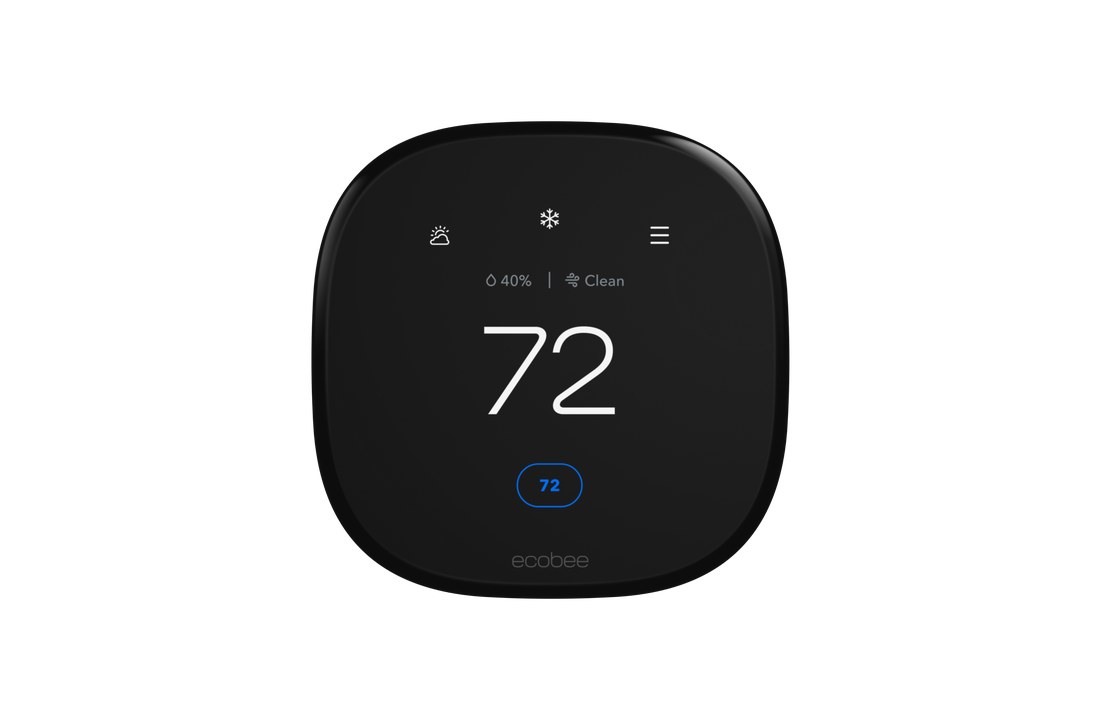
ecobee Smart Thermostat Premium
A feature-packed thermostat with an included room sensor and air-quality monitoring.
- Included room sensor balances temperatures
- Air-quality monitoring and built-in voice
- Works across all major ecosystems
- Pricier than a basic thermostat
- Setup takes a little time
- Some features you may not use
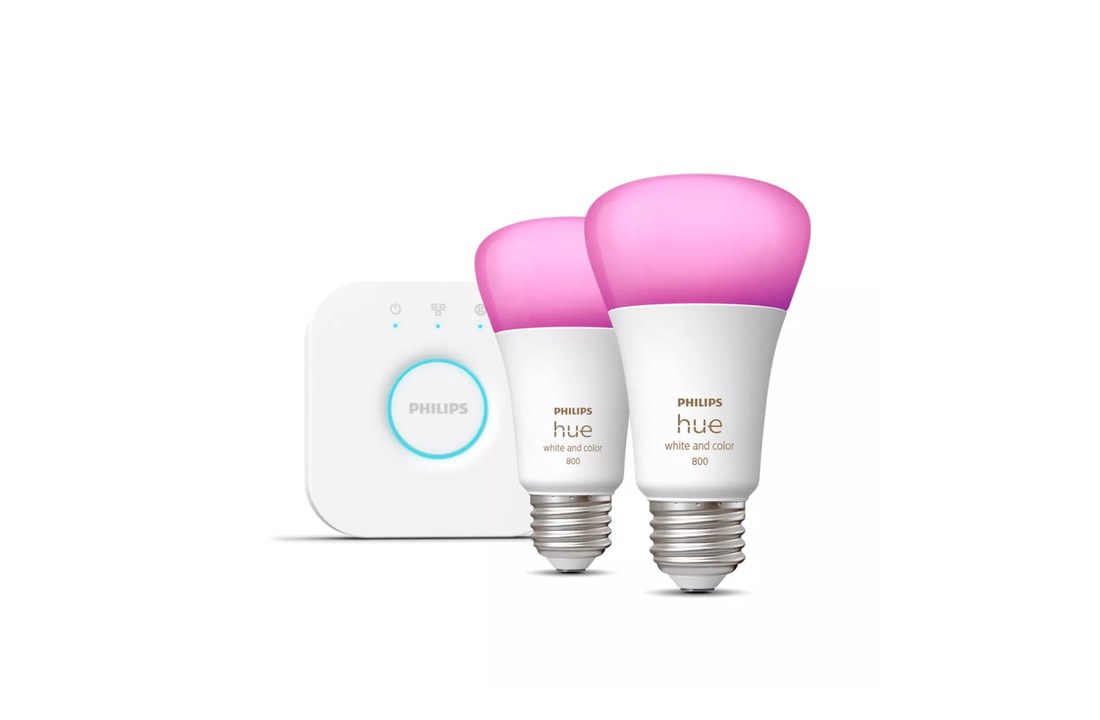
Philips Hue Starter Kit
The smart lighting that simply works, five years on, and expands endlessly.
- Reliable, mature hub-based system
- Huge ecosystem and accessory range
- Works with every major platform
- Hub adds upfront cost
- Bulbs are premium-priced
- Full color kits get expensive
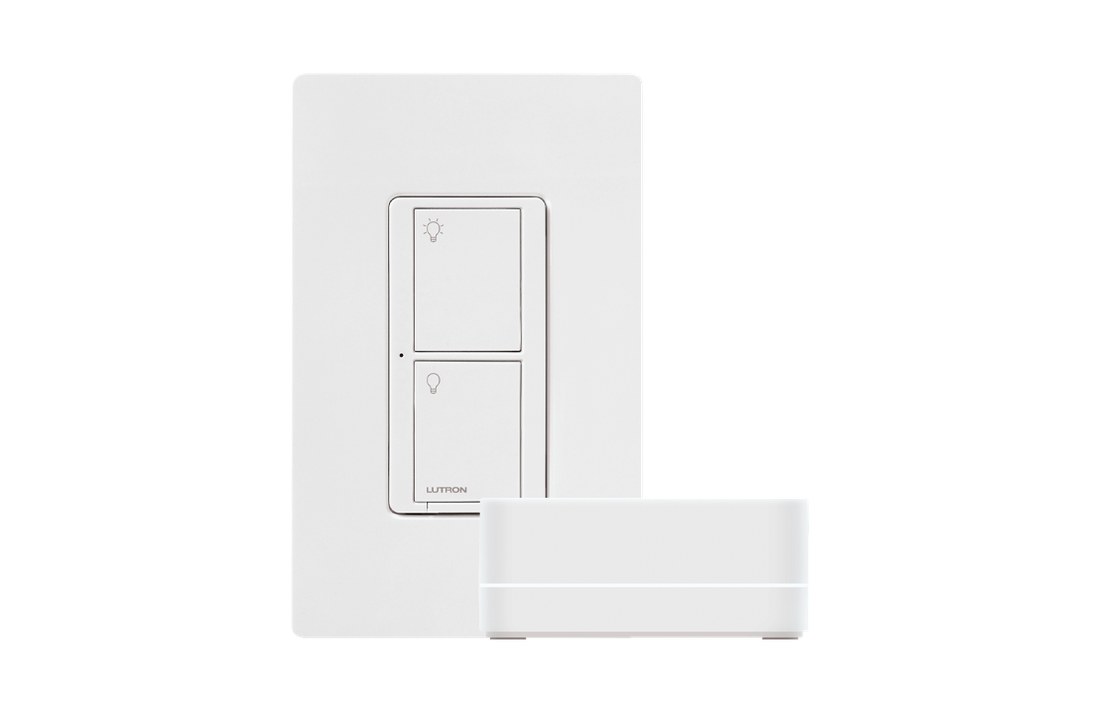
Lutron Caseta
Rock-solid smart switches that make existing lights smart without smart bulbs.
- Extremely reliable, its own hub
- Makes existing lights smart
- Loved by pros for dependability
- Requires a hub
- Install touches wiring
- Less flashy than color bulbs
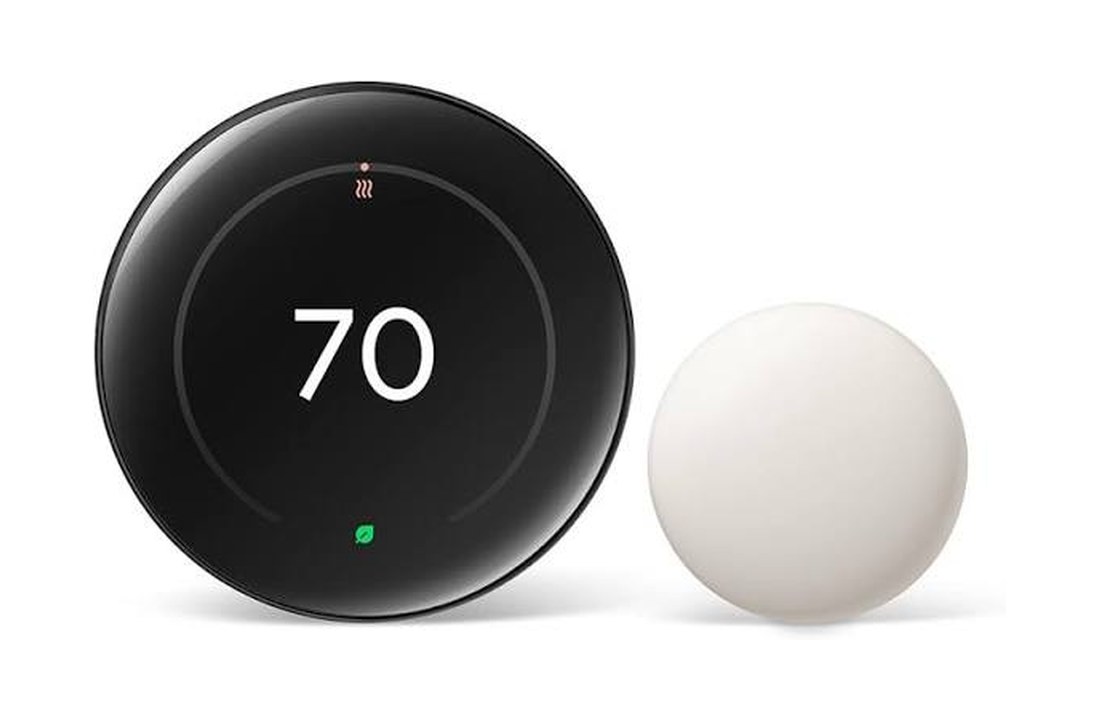
Nest Learning Thermostat
Google’s self-programming thermostat with a beautiful dial and effortless automation.
- Auto-learns your schedule
- Best-looking thermostat design
- Effortless, hands-off automation
- Room sensors cost extra
- Best inside Google Home
- Fewer features than the ecobee
What to look for
Start with payoff, not novelty
The best first smart-home purchases save money or solve a daily annoyance — a thermostat that cuts bills, lights you control from bed, switches that stop you hunting for a lamp. Skip the gimmicks; begin with the pieces you will use every single day, then expand.
Pick an ecosystem and stay near it
Smart homes get frustrating when devices do not talk to each other. Decide early whether you lean Alexa, Google or Apple Home, and favor products that work broadly — the ecobee, Hue and Lutron all do. A little planning here saves years of app-juggling.
Switches or smart bulbs?
Smart bulbs like Hue give color and per-bulb control but must stay powered on; smart switches like Lutron make your existing fixtures smart and survive a flipped wall switch. Many homes use both — bulbs where color matters, switches everywhere else for reliability.
FAQ
Where should I start with a smart home?
Which smart lighting is best?
Smart bulbs or smart switches?
Which thermostat should I choose, ecobee or Nest?
Do I need a hub for a smart home?
Will these products work together?
The Finer Home may earn a commission if you buy through links on this page, at no extra cost to you. We buy and test what we review; prices were accurate at publishing — confirm at checkout. See our affiliate disclosure.