
The Best Pellet Grills (and the Alternatives Worth Considering)
Our top picks at a glance
- Best pellet grill: Traeger Ironwood
- Best gas alternative: Weber Genesis
- Best charcoal alternative: Kamado Joe Classic III
How we chose these grills
We cooked on each grill across a full season — the same cuts, the same weekends — judging flavor, temperature control, ease of use and durability rather than trusting spec sheets.
- Ran identical low-and-slow and high-heat cooks on each
- Judged smoke flavor, searing heat and temperature stability
- Tracked fuel use and running cost across a season
- Assessed build quality and how hands-on each grill is
A pellet grill is the easiest way to get real wood-smoked barbecue at home, and one stands out after a summer of cooks. But pellets are not the only path to a great backyard cook, so we have also included the gas and charcoal grills worth buying if smoke is not your priority.
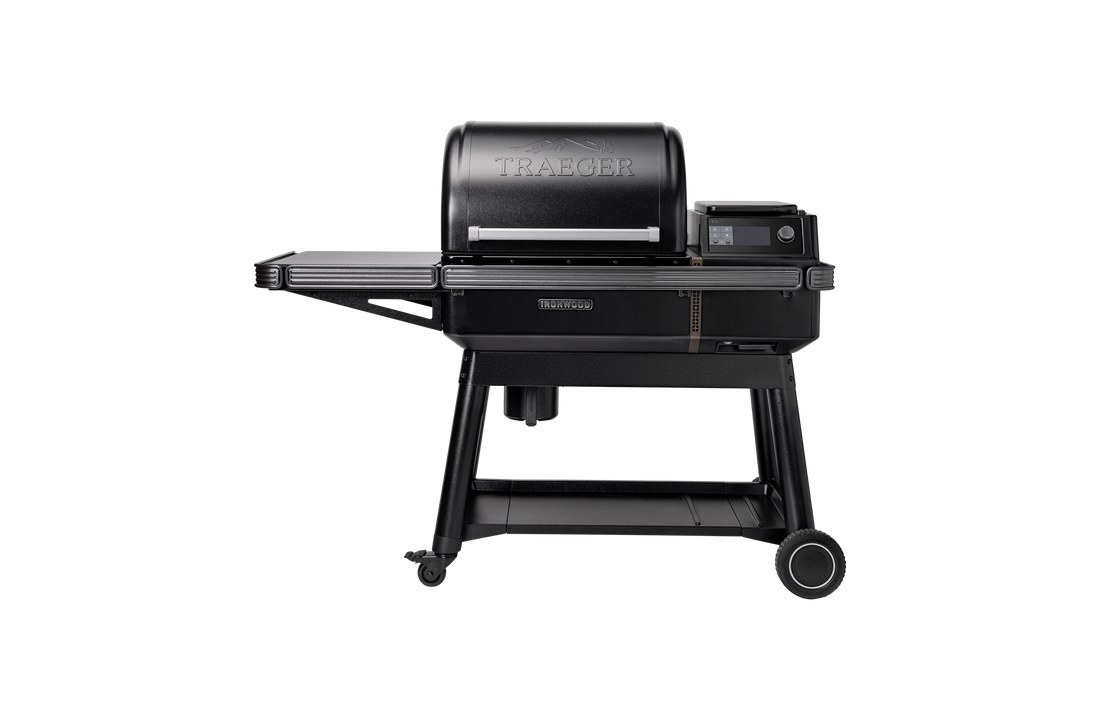
Traeger Ironwood
Set-and-forget wood-smoked cooking with an app that genuinely helps on long cooks.
- Authentic wood-smoke flavor on every cook
- Excellent set-and-forget temperature holding
- WiFIRE app with remote control and probe alerts
- Pellets cost more per long cook than gas
- Searing is good, not gas-grill hot
- Needs power to run
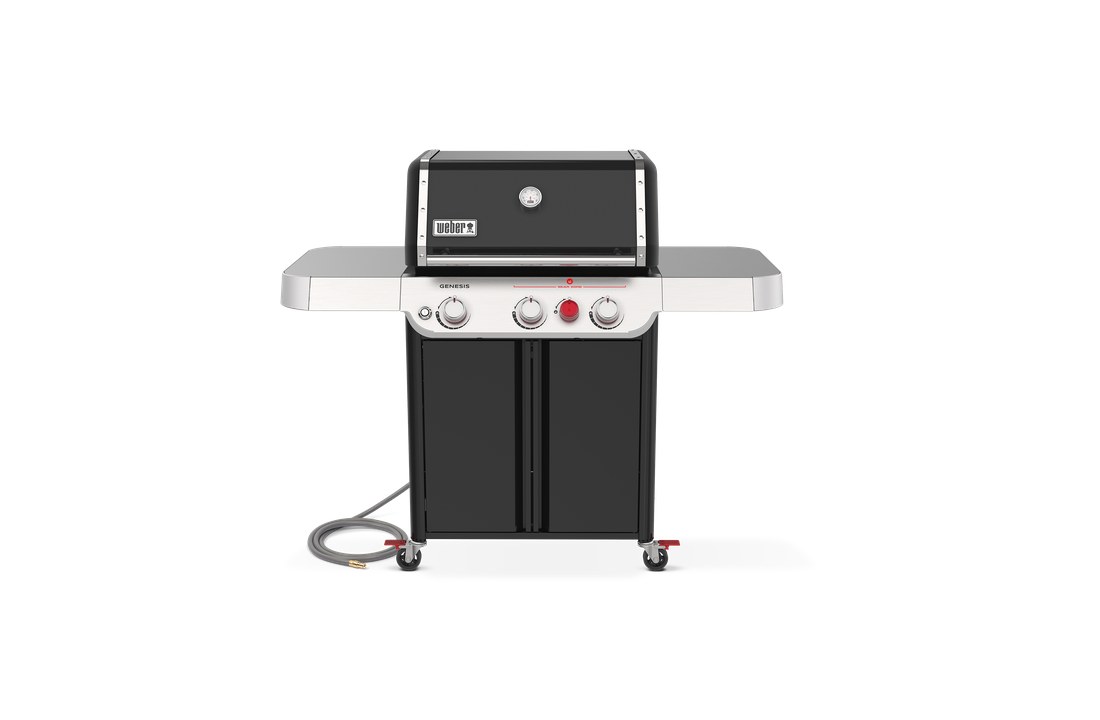
Weber Genesis
Instant high heat and weeknight speed, from a grill famous for lasting a decade.
- Instant, blistering searing heat
- Cheaper to run than pellets
- Legendary long-term durability
- Minimal smoke flavor
- No app control at this level
- Less suited to low-and-slow
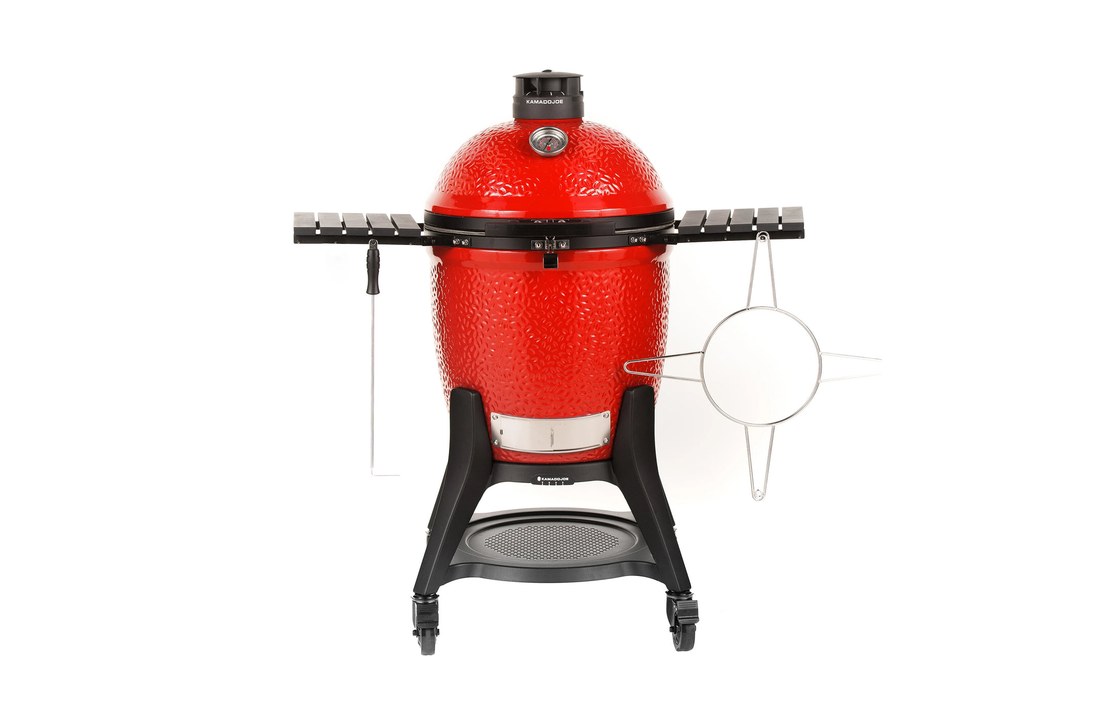
Kamado Joe Classic III
Ceramic charcoal that holds low-and-slow for hours and sears blazing hot too.
- Charcoal flavor with huge temperature range
- Superb heat retention and fuel efficiency
- Sears extremely hot and smokes low
- More hands-on fire management
- Heavy and less portable
- Higher upfront price
What to look for
Pellet, gas or charcoal?
This is the whole decision. Pellet grills give the easiest real wood smoke and set-and-forget control. Gas gives instant heat and weeknight speed with little smoke. Charcoal gives the most flavor and versatility but demands hands-on fire management. Pick the fuel that matches how you cook, not the one with the biggest number.
Temperature range and control
Look at both ends. Good low-and-slow smoking needs steady heat around 225°F for hours; good searing needs 500°F or more. Pellet grills excel at the low end and apps make it effortless; charcoal and gas reach higher searing temperatures. The best grill for you covers the range you actually cook in.
Running cost and upkeep
Fuel adds up differently. Propane is cheapest per cook, pellets cost more on long smokes, and charcoal sits in between. Factor in cleaning and, for pellet grills, keeping the hopper stocked and the firepot clear. A grill you will maintain is better than a fancier one you will not.
FAQ
What is the best pellet grill?
Is a pellet grill better than gas?
Do pellet grills need electricity?
Which grill is cheapest to run?
Can a pellet grill sear a steak?
Which is best for a beginner?
The Finer Home may earn a commission if you buy through links on this page, at no extra cost to you. We buy and test what we review; prices were accurate at publishing — confirm at checkout. See our affiliate disclosure.