ecobee Smart Thermostat Premium vs Nest Learning Thermostat
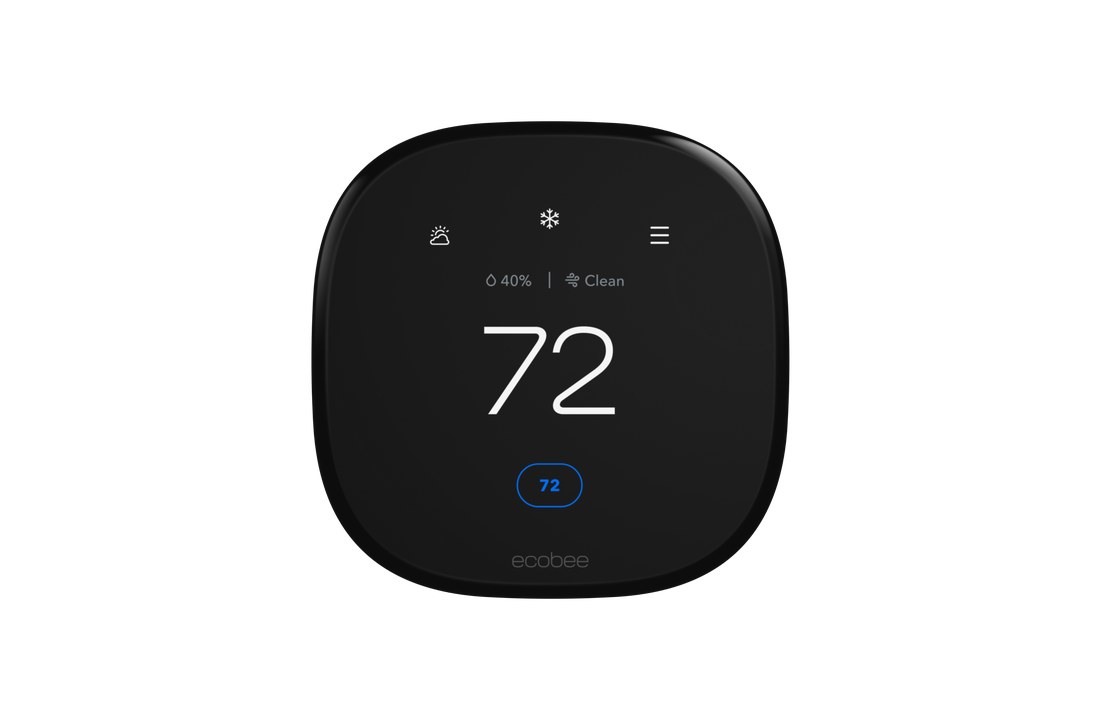
ecobee Smart Thermostat Premium
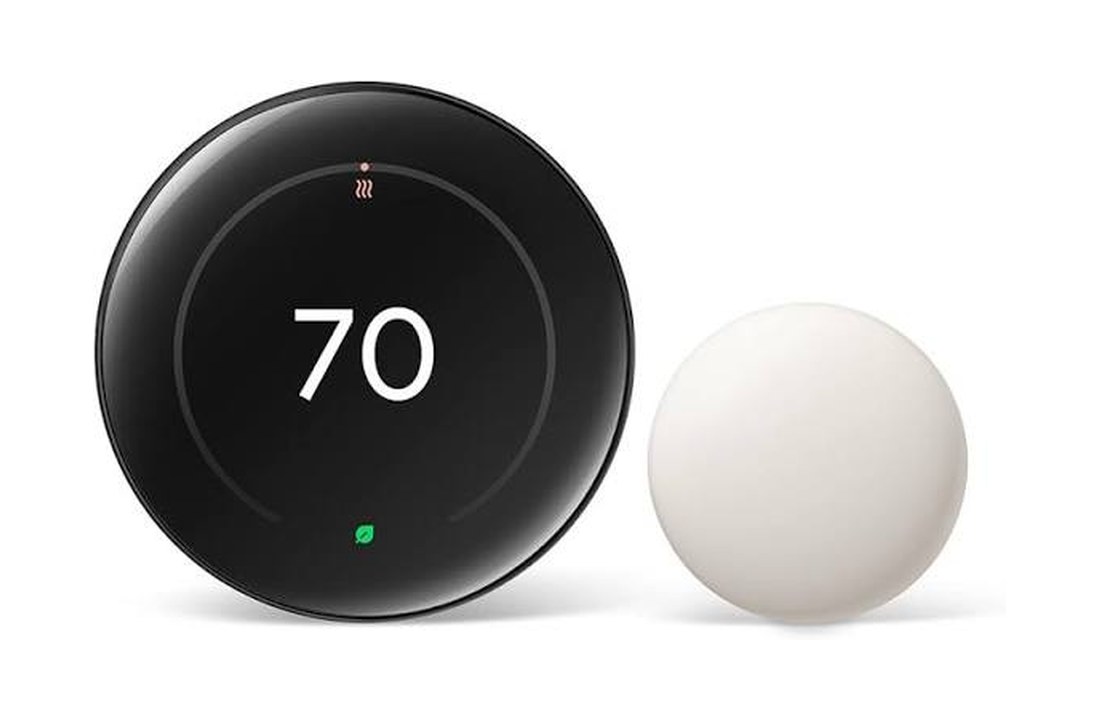
Nest Learning Thermostat
The short answer
How we tested ecobee Smart Thermostat Premium against Nest Learning Thermostat
We installed and lived with both thermostats, judging room-balancing, learning, app control, ecosystem fit and design in a real home rather than from spec sheets.
- Installed and ran each in daily use
- Tested room-sensor balancing against auto-learning
- Compared apps, voice control and ecosystem fit
- Judged air-quality features, design and value
ecobee and Nest are the two smart thermostats most people choose between, and they emphasize different things. The ecobee Premium loads up on features — a bundled room sensor, air-quality data and broad voice support — while the Nest Learning Thermostat focuses on effortless automation and a design that belongs on the wall. We ran both, and the winner depends on whether you want capability or calm simplicity.
| Dimension | ecobee Smart Thermostat Premium | Nest Learning Thermostat |
|---|---|---|
| Room sensor | Included in the box | Sold separately |
| Uneven rooms | Sensor balances temps | Needs extra sensors |
| Learning | Schedules + smart modes | Auto-learns your habits |
| Air quality | Built-in monitoring | None |
| Voice built-in | Alexa & more on-device | Google Assistant via phone |
| Ecosystem | Works with all major ones | Best in Google Home |
| Design | Modern glass square | Iconic round dial |
| Price | ~$249 | ~$279 |
| Best for | Features & even temps | Set-and-forget elegance |
Feature-rich vs effortless: the core choice
The ecobee Premium is the maximalist: it comes with a room sensor, monitors air quality, and has voice assistants built in. The Nest Learning Thermostat is the minimalist: it quietly learns your schedule, looks beautiful, and mostly gets out of the way. If you want capability and control, ecobee; if you want a thermostat that programs itself and you never think about, Nest. Everything else is detail.
Fixing hot and cold rooms
This is ecobee’s clearest advantage. It includes a remote room sensor, so it can balance temperature based on the room you are actually in — the fix for a home office that is always freezing while the living room is warm. Nest can do this too, but only after you buy sensors separately. If uneven rooms are your problem, ecobee solves it out of the box.
Learning and automation
Nest’s headline feature is genuine auto-learning: it watches how you adjust the temperature and builds a schedule for you, so it truly is set-and-forget. ecobee leans on smart schedules and eco modes that work well but ask a little more setup. If you want the thermostat to figure you out on its own, Nest does that best.
Air quality and extra features
The ecobee Premium adds air-quality monitoring and more on-device smarts that Nest simply does not offer. Whether you will use them depends on you, but they are real, useful extras for a healthier home. On pure feature count, ecobee is the more capable device, and the air-quality data is a genuine differentiator.
Voice, apps and ecosystem
ecobee has voice assistants built into the thermostat itself and plays nicely with Alexa, Google and Apple Home, making it the more flexible choice across mixed smart homes. Nest is at its best inside Google Home and relies on your phone or speakers for voice. If your home is all-Google, Nest fits perfectly; if it is mixed, ecobee is safer.
Design and price
Nest wins on looks — its round dial and crisp display remain the best-looking thermostat you can buy, and it often photographs better on a wall than the ecobee’s glass square. On price they are close, with ecobee usually a touch cheaper while including a sensor. So you are weighing Nest’s elegance against ecobee’s value-plus-features.
Buy the ecobee Smart Thermostat Premium if…
you want the most features, need a room sensor to fix uneven temperatures, value air-quality monitoring and built-in voice, and run a mixed smart home rather than an all-Google one.
Buy the Nest Learning Thermostat if…
you want a thermostat that learns your schedule automatically, prefer the cleanest design on the wall, live inside the Google Home ecosystem, and value simplicity over a long feature list.
FAQ
Does the ecobee come with a room sensor?
Does the Nest really learn my schedule?
Which is better for uneven room temperatures?
Which works better with my smart home?
Which looks better on the wall?
Which is the better value?
The Finer Home may earn a commission if you buy through links on this page, at no extra cost to you. We buy and test what we review; prices were accurate at publishing — confirm at checkout. See our affiliate disclosure.