Breville Barista Express vs De’Longhi La Specialista Arte Evo
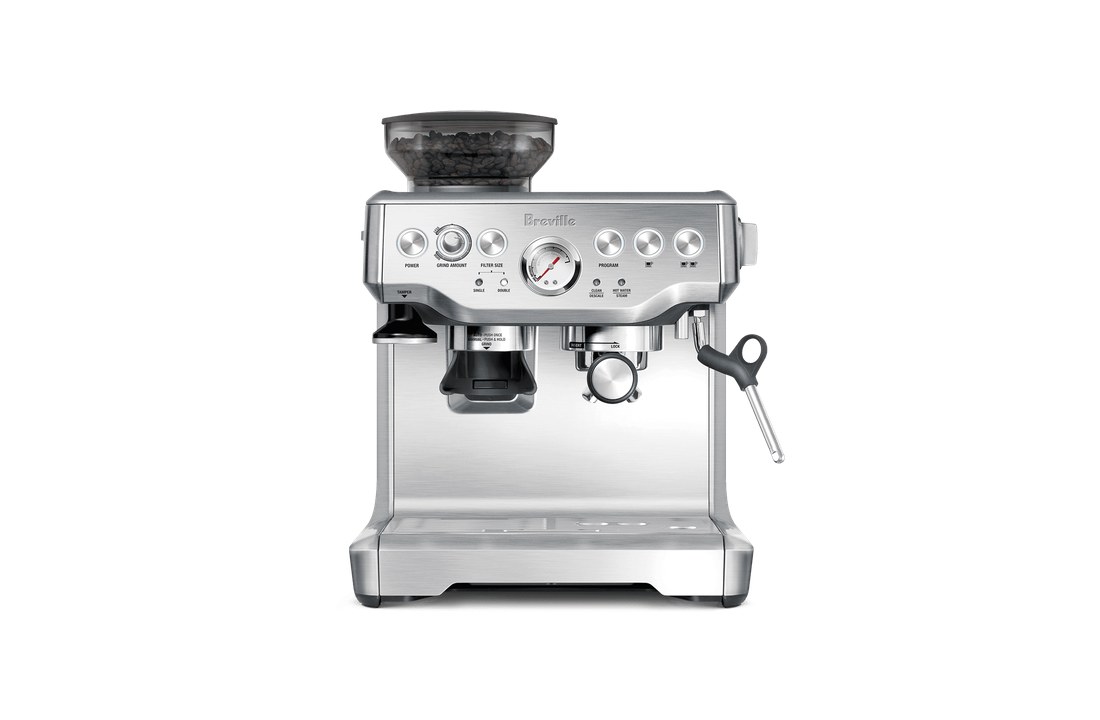
Breville Barista Express
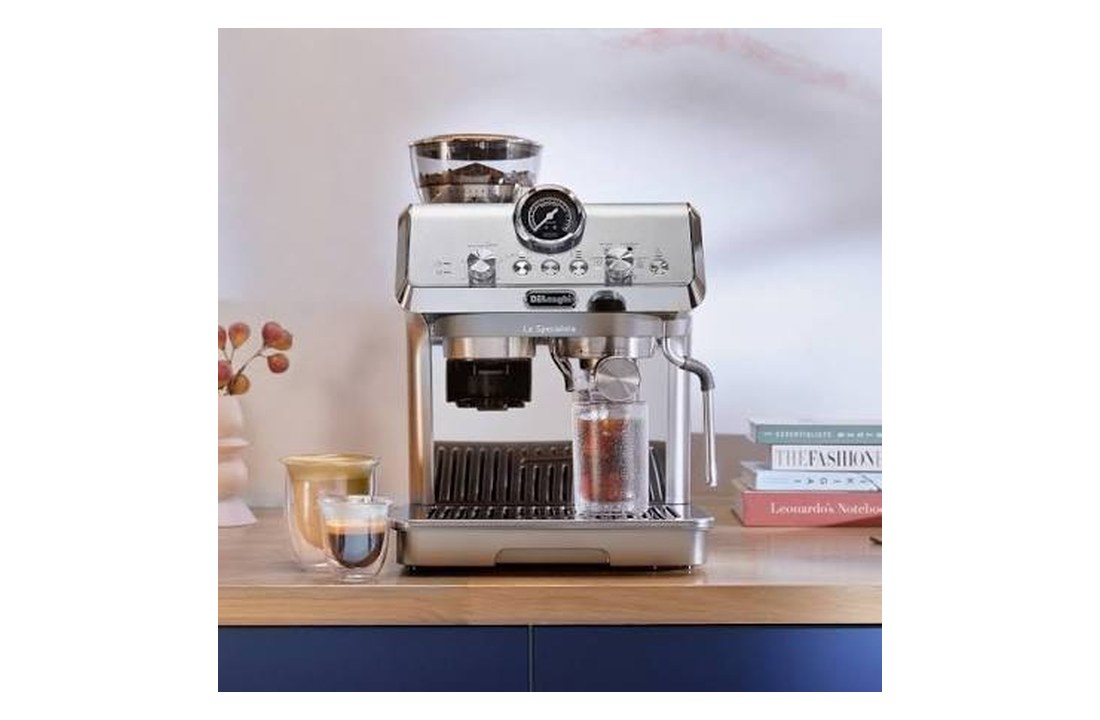
De’Longhi La Specialista Arte Evo
The short answer
How we tested Breville Barista Express against De’Longhi La Specialista Arte Evo
We pulled shots on both machines over weeks — same beans, same milk — judging grind control, ease for a beginner, build and the coffee in the cup rather than the spec sheet.
- Dialed in espresso on each with identical beans
- Compared the grinder range and dosing on both
- Timed the learning curve from first shot to consistent shots
- Judged build, temperature stability and steamed-milk quality
These are the two machines most first-time espresso buyers cross-shop, and they take opposite approaches to the same goal. The Breville hands you the controls and rewards practice; the De’Longhi automates the two steps beginners find hardest — dosing and tamping — so you get to a decent shot faster. Neither is wrong; the right one depends on whether you find fiddling fun or frustrating.
| Dimension | Breville Barista Express | De’Longhi La Specialista Arte Evo |
|---|---|---|
| Grinder | Built-in, 16–30+ settings | Built-in, sensor auto-dose |
| Tamping | Manual, by hand | Assisted lever tamp |
| Learning curve | Steeper, more rewarding | Gentler, faster to a shot |
| Grind adjustability | Wide, dial-in friendly | Adequate, less granular |
| Build & feel | Heavier, more stainless | Solid, a touch more plastic |
| Brew group heat | Heated group helps temp | PID, cooler group |
| Latte art potential | High with practice | Good, easier steam |
| Price | ~$699 | ~$600 |
| Best for | Learning the craft | Fuss-free good coffee |
Two philosophies of home espresso
The Breville is a semi-automatic that expects you to grind, dose, tamp and time the shot yourself. The De’Longhi automates dosing with a sensor and tamping with a lever, so it does the tricky parts for you. That single design difference explains almost everything below: control and ceiling on one side, ease and speed on the other.
Grinder and dial-in control
The Breville’s grinder is the more capable, with a wide range of settings that let you dial in a shot precisely as you improve — the heart of learning espresso. The De’Longhi grinds well and doses automatically, which is convenient, but gives you less granular control. If you want to chase the perfect extraction, the Breville is the better instrument.
Ease of use and the learning curve
This is the De’Longhi’s advantage. Sensor grinding and the assisted tamp remove the two steps beginners most often get wrong, so your early shots are more consistent with less practice. The Breville can produce better coffee eventually, but it asks more of you first. If a gentle learning curve matters more than a high ceiling, the De’Longhi wins.
Build quality and temperature stability
The Breville feels the more substantial machine, with more stainless steel and a heated brew group that helps hold temperature from the boiler down to the portafilter. The De’Longhi is well made but a touch more plastic, and its group runs cooler, so drinks stay hot in the cup for slightly less time. For long-term durability and thermal consistency, the Breville edges ahead.
Milk and latte art
Both steam milk well for a home machine. The De’Longhi’s steam wand is a little more forgiving for beginners; the Breville rewards technique with slightly better microfoam once you learn it. This one is close — either will make a good flat white, and the gap comes down to your practice more than the hardware.
Price and value
The De’Longhi usually costs a bit less and delivers more automation for the money, which makes it the better value for someone who just wants reliably good coffee. The Breville costs a little more but offers a higher ceiling and sturdier build, which pays off for anyone who plans to grow into the craft. Match the spend to how involved you want to be.
Buy the Breville Barista Express if…
you want to learn espresso properly, value grinder control and build quality, enjoy dialing in shots, and want a machine with room to improve as your skills grow.
Buy the De’Longhi La Specialista Arte Evo if…
you want great coffee without a steep learning curve, prefer the machine to handle dosing and tamping for you, and would rather spend a little less for more automation.
FAQ
Which is easier for a complete beginner?
Which makes better espresso long-term?
Do both have a built-in grinder?
Which is better built?
Is the price difference meaningful?
Can you make latte art on both?
The Finer Home may earn a commission if you buy through links on this page, at no extra cost to you. We buy and test what we review; prices were accurate at publishing — confirm at checkout. See our affiliate disclosure.