Traeger Ironwood vs Weber Genesis: Pellet Smoker or Gas Grill?
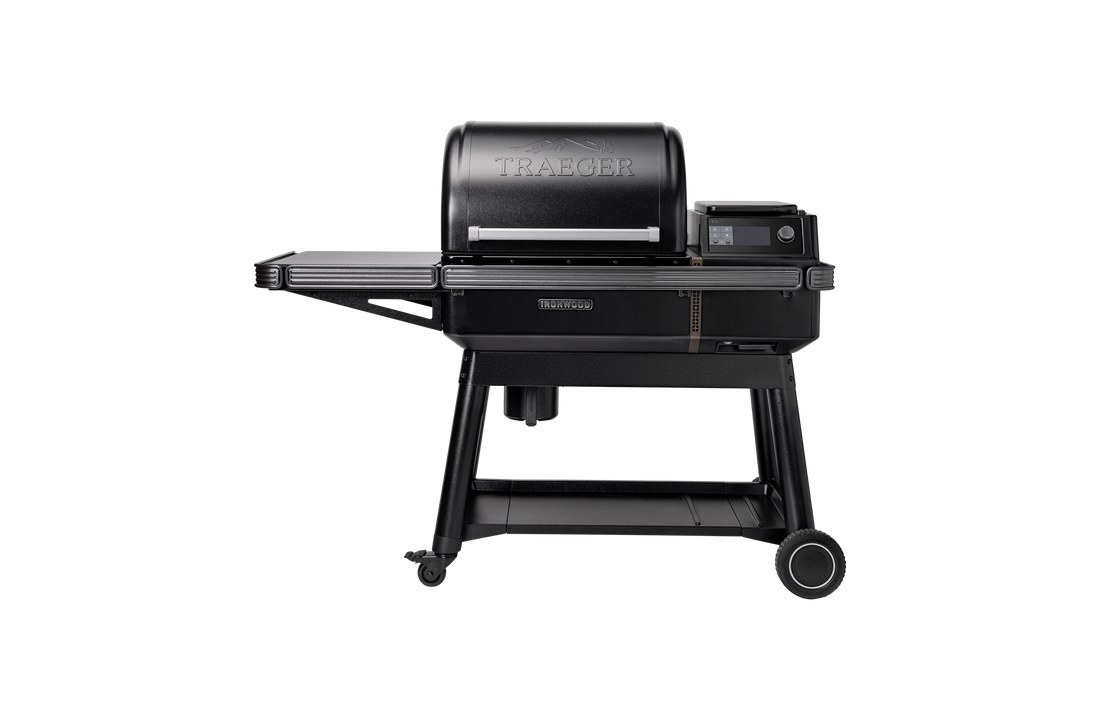
Traeger Ironwood
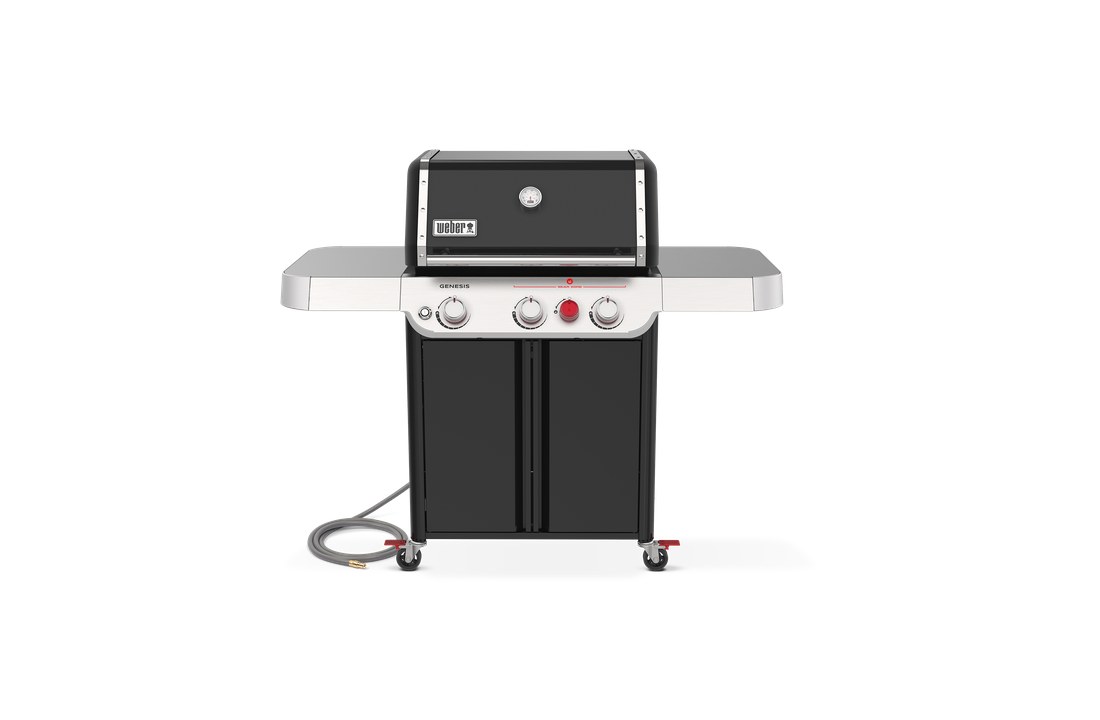
Weber Genesis
The short answer
How we tested Traeger Ironwood against Weber Genesis
We cooked on both grills for months — the same cuts, the same weekends — then judged each on the job it is built for rather than on a single winner-take-all score.
- Ran identical cooks on each: low-and-slow barbecue and fast weeknight grilling
- Judged wood-smoke flavor, searing heat and time-to-temp
- Tracked pellet and propane use to compare running cost
- Lived with the apps, knobs and cleanup over real use, not a showroom demo
On paper this looks like a grill-versus-grill fight. In a real backyard it is a choice between two cooking styles: slow, smoky weekend barbecue on the Traeger, or fast, hot weeknight grilling on the Weber. We have cooked on both for months, and the honest answer is that most people are happier with the one that matches how often — and how patiently — they cook.
| Dimension | Traeger Ironwood | Weber Genesis |
|---|---|---|
| Type | Pellet smoker-grill | Gas grill (propane / natural gas) |
| Best at | Low-and-slow smoking | High-heat searing & speed |
| Fuel | Hardwood pellets | Propane or natural gas |
| Temp range | Roughly 165–500°F | Roughly 200–600°F+ |
| Time to cooking | ~10–15 min to temp | ~5 min, instant heat |
| Searing steaks | Good on the top setting | Excellent, blistering heat |
| Wood-smoke flavor | Authentic, all cooks | Minimal without add-ons |
| App / WiFi | WiFIRE full remote control | None on the Genesis |
| Running cost | Pellets, higher per long cook | Propane, cheaper per cook |
| Warranty | Traeger AllTech coverage | Weber 10–12 yr on key parts |
Pellet vs gas: what actually separates them
The core difference is heat source. The Traeger burns compressed hardwood pellets fed by an auger, which means real wood smoke and precise low temperatures — but a warm-up wait and a running cost per cook. The Weber burns gas, which means instant, controllable heat and almost no wait, but very little smoke flavor. Everything else downstream — flavor, speed, cost — flows from that one choice.
Flavor: wood smoke vs clean gas heat
This is the Traeger’s home turf. Because it burns wood, everything you cook picks up genuine smoke, and long cooks like brisket, pork shoulder and ribs come out with a flavor a gas grill simply cannot match. The Weber produces a clean, seared, grilled taste that many people prefer for burgers and steaks — but if smoke is the point, gas will always disappoint. If your dream is weekend barbecue, this dimension alone may decide it.
Heat and searing power
Here the Weber pulls ahead. Gas burners hit high searing temperatures fast and hold them, so steaks, chops and anything that wants a hard crust come off better. The Traeger can sear on its top setting, but it takes longer to get there and never quite matches a ripping-hot gas grate. If most of your cooking is quick, high-heat searing, the Genesis is the more capable tool.
Ease of use and everyday convenience
It depends on the cook. For a Tuesday-night dinner, the Weber wins easily — turn the knob, wait five minutes, grill, done. For an eight-hour brisket, the Traeger wins — set the temperature in the app, walk away, and let it hold steady while you do something else. One is built for speed, the other for patience. Be honest about which kind of cook you do more often.
Build, capacity and durability
Both are well built for their price. The Genesis is famous for lasting a decade-plus with basic care, and its cooking area is generous for a family. The Ironwood is sturdy and better sealed than older Traegers, with a similar usable capacity. Gas grills have fewer electronic parts to fail over the years, which is a quiet point in the Weber’s favor for long-term reliability.
Running cost: pellets vs propane
Gas is cheaper to run. A propane tank costs little per cook and lasts many sessions; pellets add up faster, especially on long low-and-slow cooks that burn through a bag. Neither is expensive in absolute terms, but over a summer of heavy use the Weber costs less to feed. Factor it in if you grill several times a week.
App and temperature control
The Traeger’s WiFIRE app is a genuine advantage. You can set and change the temperature, watch a meat probe, and get an alert when dinner is ready — all from inside the house. The Genesis has no app at this level; you control it with the knobs and a thermometer. For long, unattended cooks, remote monitoring is the difference between hovering and relaxing.
Buy the Traeger Ironwood if…
you want real wood-smoke flavor, cook low-and-slow barbecue on weekends, love the idea of setting a temperature and walking away, and value app control and meat-probe alerts over raw searing speed.
Buy the Weber Genesis if…
you grill several nights a week, want instant high heat for steaks and burgers, care about lower running cost and long-term reliability, and are happy to add smoke another way if you ever want it.
FAQ
Can a Traeger sear like a gas grill?
Can you get smoke flavor from a Weber gas grill?
Which is cheaper to run?
Is the Traeger hard to use?
Do I need WiFi to use the Traeger?
Which should a first-time buyer get?
The Finer Home may earn a commission if you buy through links on this page, at no extra cost to you. We buy and test what we review; prices were accurate at publishing — confirm at checkout. See our affiliate disclosure.